Expertise: Natural Gas Processing

  • 200 MMSCFD System Expansion

    200 MMSCFD System Expansion

    The Challenge

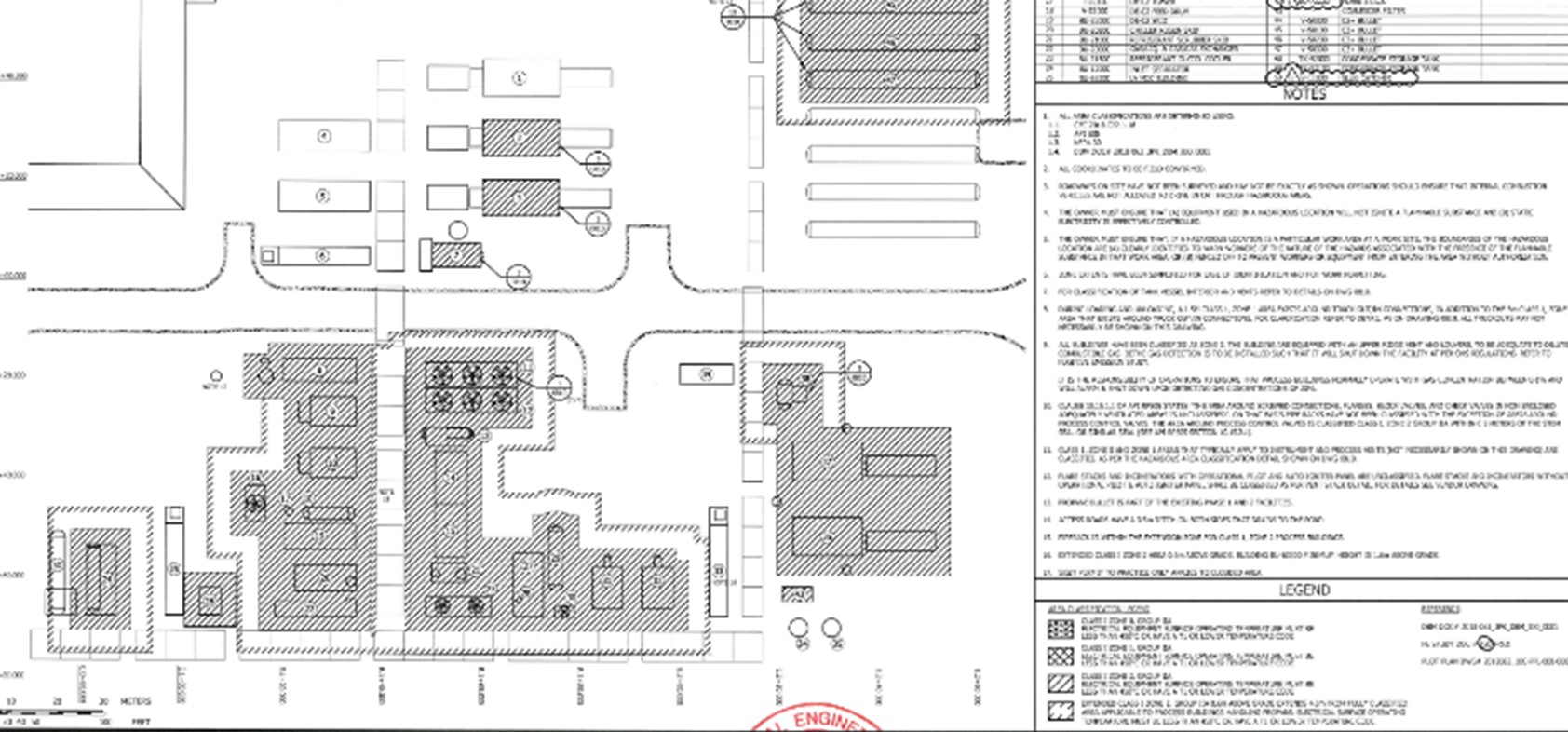
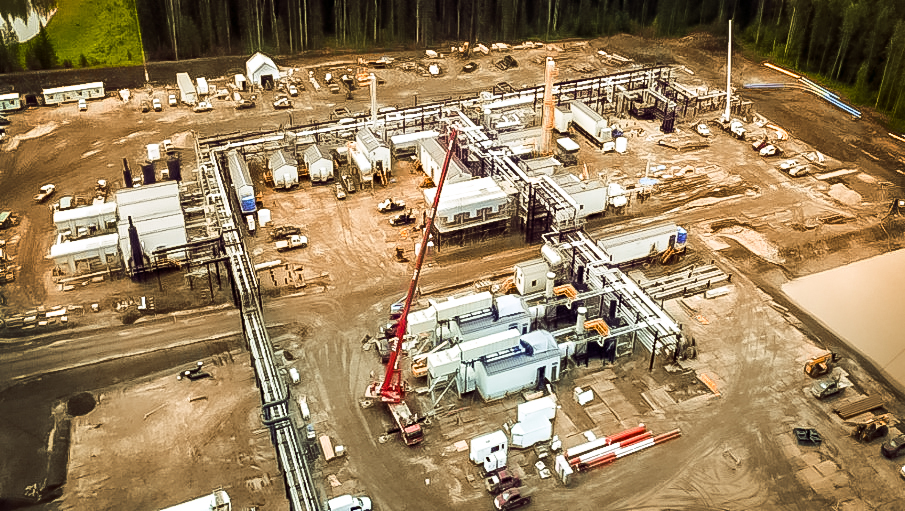
    Our Midstream Client had an existing 180 MMSCFD gas processing facility and wanted to add another 400 MMSCFD processing equipment across two new processing trains. The new expansion was required to have its own inlet, flare, utilities and gas processing trains. There was a desire to leverage the existing site electrical and control systems for the expansion.

    The Solution

    • Lump sum engineering
    • Lump sum DeltaV configuration and commissioning
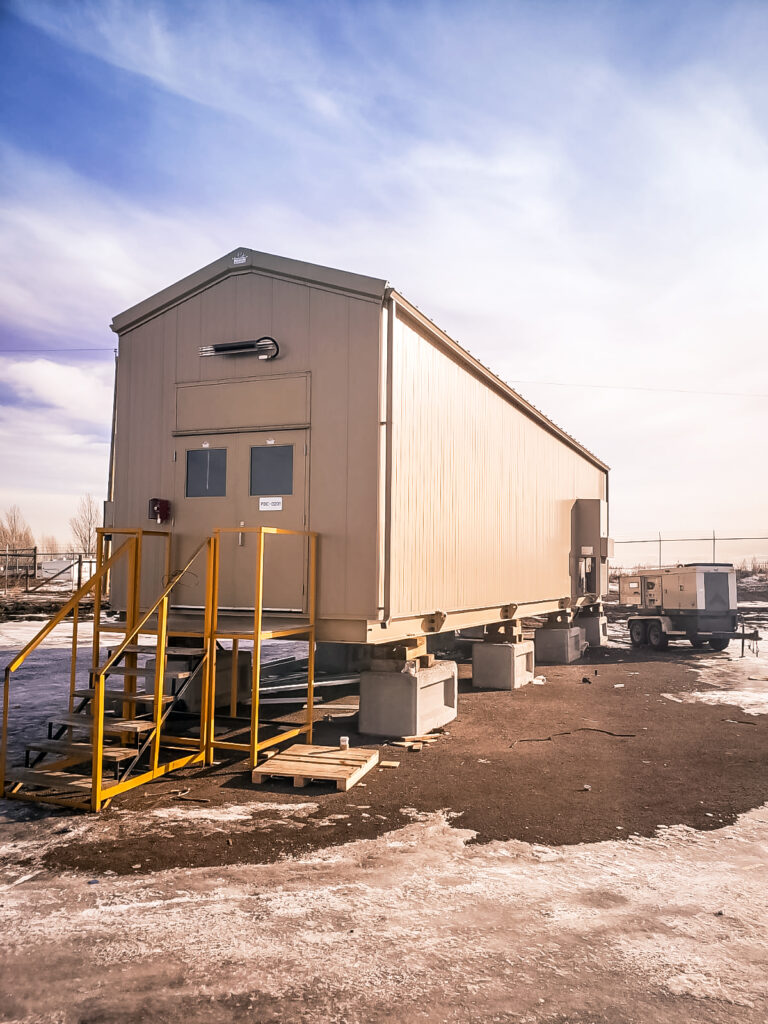
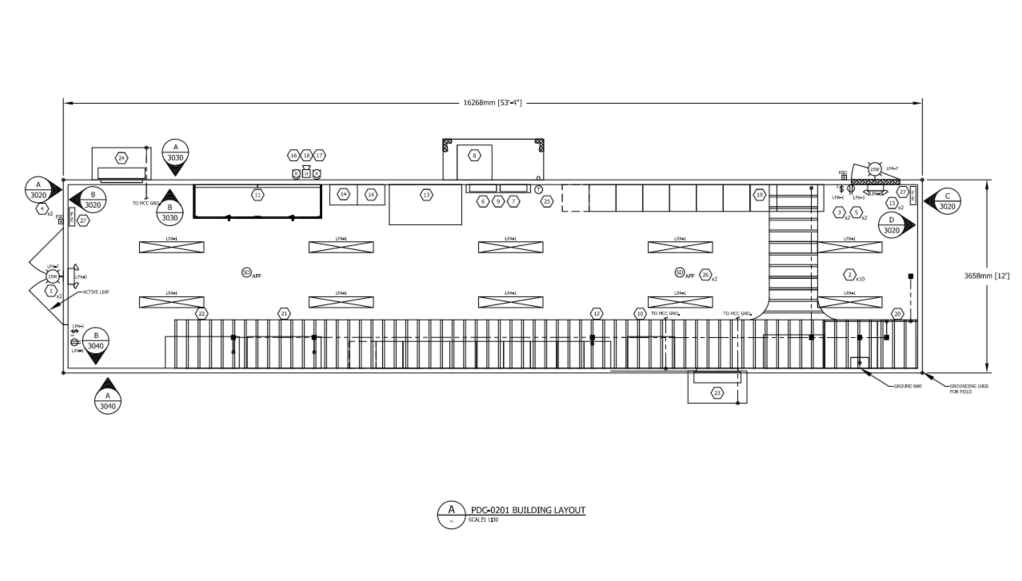
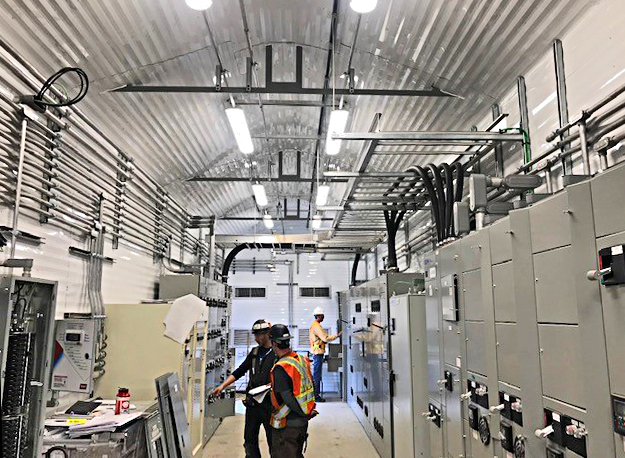
    • Lump sum supply of (4) PDC buildings including MV and LV electrical systems and control systems
    • DeltaV control cabinets and 9 RIO cabinets
    • Project included 14 MW of prime generations via solar turbines
    • 1200 IO point systems
    • Integrated FAT testing in Calgary
    • On-site pre-commissioning and commissioning

    The Results

    • Electrical packages arrived before the mechanical system
    • Lowered construction costs with a distributed network and electrical system
  • NGL Fractionation Train

    NGL Fractionation Train

    The Challenge

    Development plans and contractual obligations required the Client to receive and process additional NGL volumes from truck-in through their existing fractionation process. This would allow the Client to capture the value of the fractionation products in the local market that would otherwise be passed down the value chain. The current process was limited in NGL storage volumes, tower capacities, re-boiler duties and product recoveries.

    The Solution

    CANUSA EPC provided, under a lump sum contract, value engineering and definition for the Client’s requirements.

    • Simulation through ProMax and utilized raw data to evaluate the sizes and internals of the current equipment
    • Completion of a What-If to assess the design impact of handling impurities (sour and water) on the front end
    • Operational improvements
    • Resolved DeC2 liquid level flooding
      ▪ De-bottlenecked DeC3 and DeC4 tower pressures
      ▪ Ensured product purities year-round
      ▪ Upgraded the storage area for increased volumes and trucking logistics
      ▪ Surge drum analysis to support inlet fluctuations
      ▪ Simplified product cooling design and controls
    • Procurement plan development to support budgeting
      ▪ Fractionation package
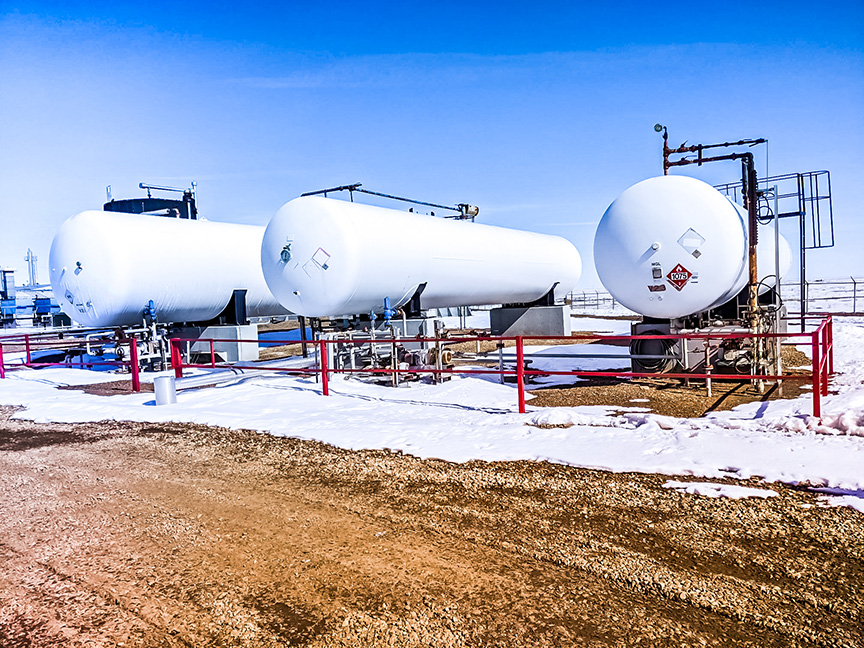
      ▪ NGL bullet, transfer pump skid and vapor return compressor
    • Repurpose of existing equipment to leverage in new design
      ▪ Heat medium exchange
      ▪ Fractionation coolers and reflux system
      ▪ Product storage and loadin

    The Results

    CANUSA EPC completed a capacity study and found a low-cost option that would provide for future expansion.

    • NGL fractionation capacity of 2,000 BPD with turndown to 240 BPD
    • TIC of $5MM for installation of the equipment
    • C3 and C4 product purities of 99%+
    • C5 product purity of 650 kg/m3 and 5% C4
    • Integration of 1 MMBTU/hr of waste heat to reduce OpEx as well as cooler and re-boiler duties
  • Natural Gas Processing Facility Alberta

    Natural Gas Processing Facility Alberta

    The Challenge

    Client directives for Environmental, Social, and Governance (ESG) in their development plans required that the increased oil production not require additional venting or flaring of associated gas. A feasibility design was required to determine the funding requirements to execute the project. The Client selected a brownfield sales metering station to convert a process plant capable of 20+ MMSCFD of gas and upgrade an adjacent oil treating facility to handle associated gas with their production plans.

    The Solution

    CANUSA EPC was contracted to offer Engineering, Procurement, and Construction Management (EPCM) services.

    • Procurement services to retrofit used and surplus equipment
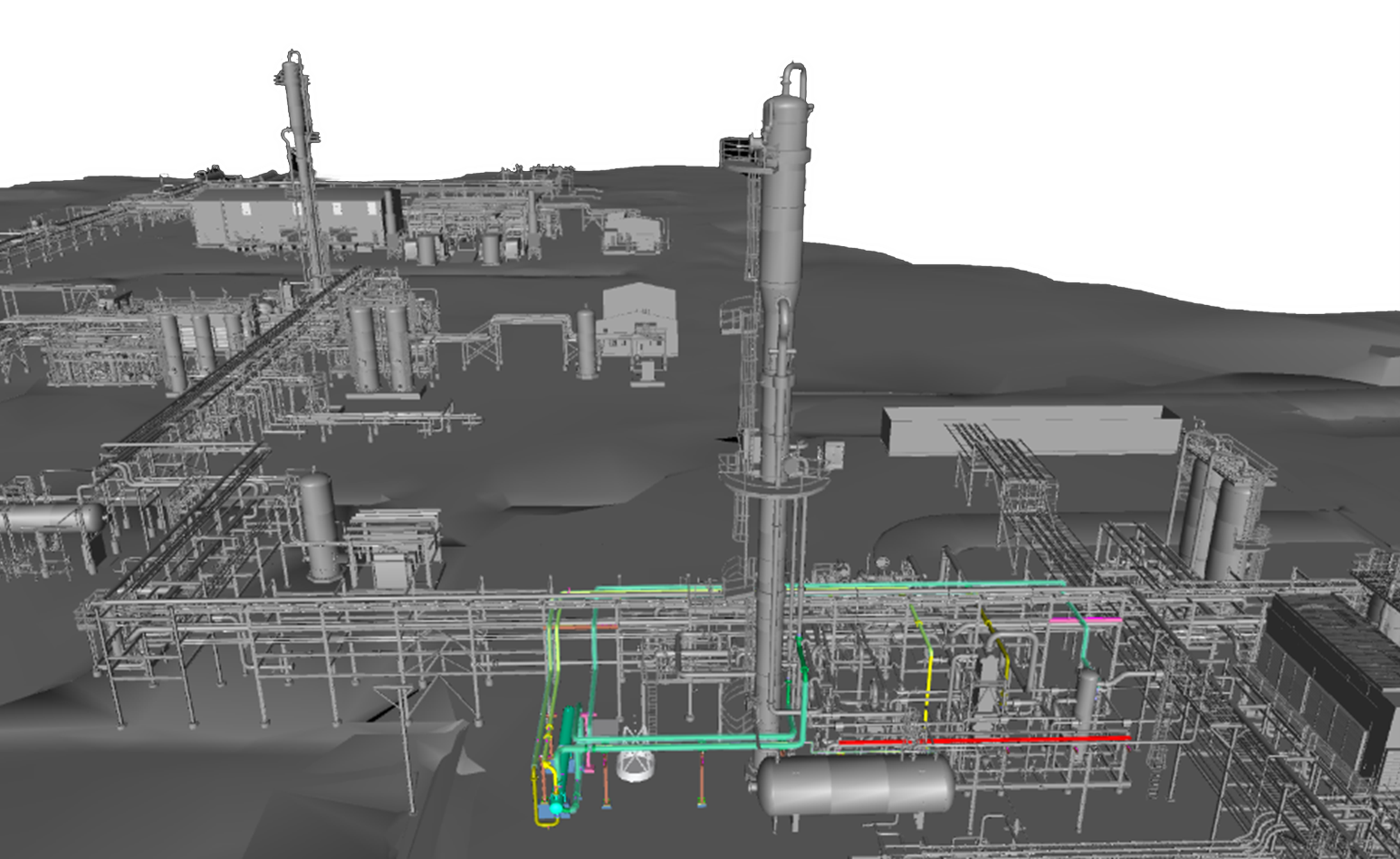
    • Developed a complete site model to accurately determine equipment requirements and weld inches
    • NGL handling and tie-in to existing oil battery
    • Deep Cut Refrigeration was selected for HCDP control
      • Designed and installation of a VRU to recover tank vapors
      • Added pipelines and liquid handling equipment including a treater
      • Explore options to utilize waste heat from cooling hot, treated oil
    • Designed a glycol waste heat system to offset heat trace loads

    The Results

    Lowered emissions of produced oil, meeting regulatory and client-mandated ESG commitments

    • Utilized 7 MMBTU/hr of waste heat
    • Added electrostatic treater to reduce energy requirements of treating the oil

    Executed TIC of $21MM for the gas plant project

    • Realized an additional 525+ bbl/d of NGL production
    • Realized $5MM+ in capital savings with surplus equipment

    Gas plant placed into operation within 8 months of EPCM Kick-Off Meeting

    Increased oil production by 7,000 BPD with the recovery of associated gas

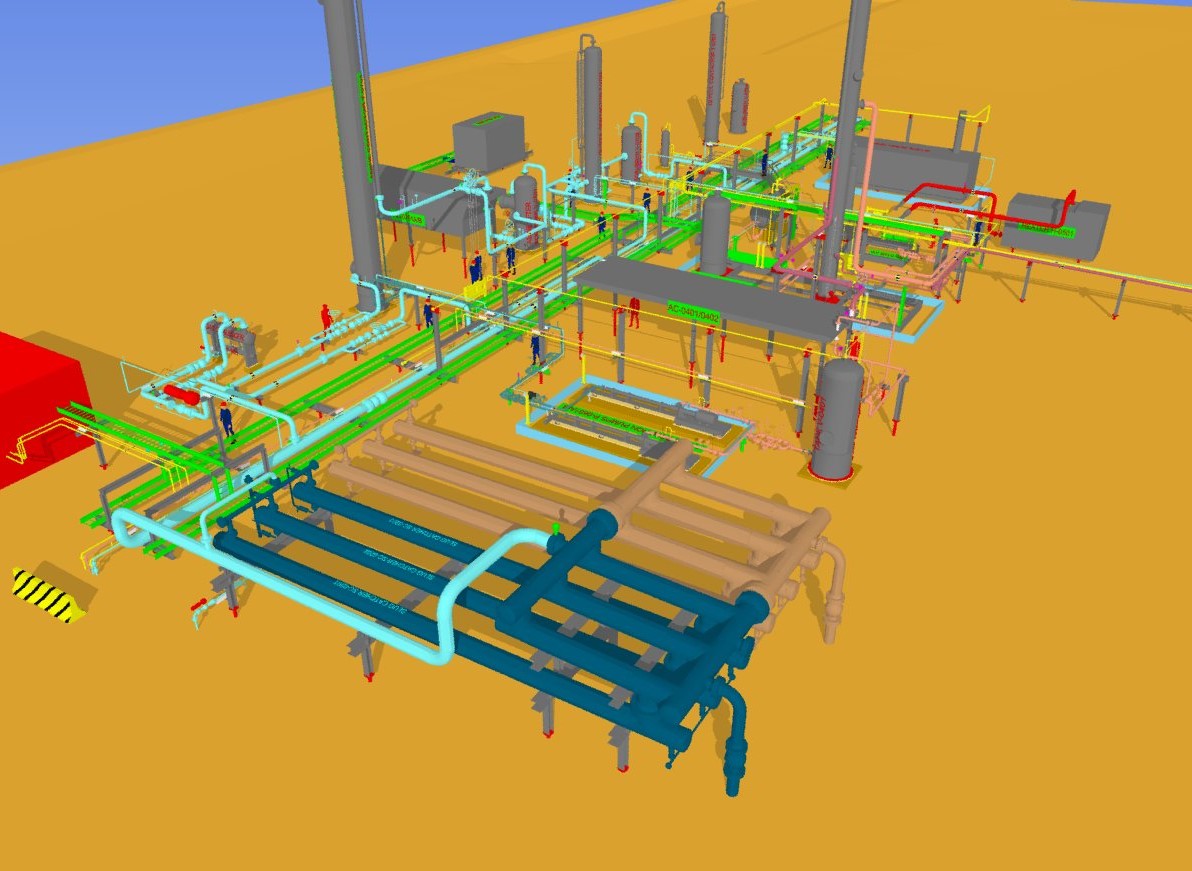
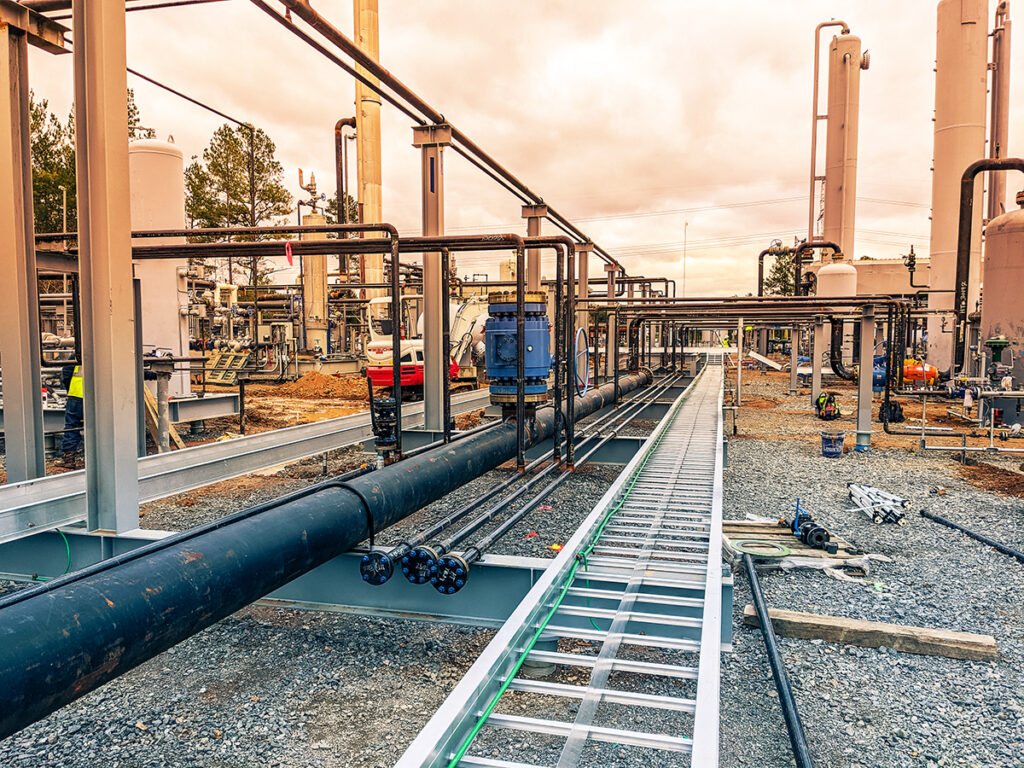
  • Expandable Gas Treatment Facility

    Expandable Gas Treatment Facility

    The Challenge

    A new gas producer presented an opportunity for our Client to gather their gas. This gas required treatment before meeting pipeline sales gas specifications for the area. The producer insisted on a tight time frame for being ready to receive gas. Fortunately, our Client had idle equipment available for gas sweetening and gas dehydration at a site that was decommissioned. By using this existing equipment at the new site, up to 80 MMSCFD could be processed initially, plus future expansion capabilities up to a total of 200 MMSCFD.

    The Solution

    CANUSA EPC visited the decommissioned site to verify the available major equipment and understand the power and controls package.  Engineered valves and process piping that might be reused or refurbished were identified.

    Developing a Plan:

    • Evaluated the capacity of the existing amine treater package and dehydration equipment
    • Identified new equipment required for the balance of the facility
    • Developed design basis to capture required project technical requirements

    Sourcing New Equipment:

    • High-pressure inlet slug catcher
    • BTEX condenser and combustor
    • Storage tanks
    • Control room building and PLC

    Execute Value Engineering and Procurement to Accelerate the Project Schedule:

    • PSV calculations for, and safety review of, all existing and new equipment
    • Design of finger-type inlet slug catcher versus procurement of high-pressure vessel
    • Evaluate and recommend helical pile foundation deployment
    • Sourced major electrical tie-in equipment

    The Results

    • Deployed pile foundations to remove concrete cure time requirements from the construction schedule
    • Utility and electrical equipment sourced and removed from the critical path
    • Mechanical design allows for the future expansion of the facility throughput to 200 MMSCFD
  • Cryogenic Plant Optimization

    Cryogenic Plant Optimization

    The Challenge

    CANUSA EPC’s Client needed to determine the capability of throughput capacity for a dual-train plant related to rejection and recovery operations. Due to the minimum operating costs of the plant, the Client wanted to evaluate which major equipment could be upgraded to allow single or dual-train operations. Along with restriction conditions, the client desired to understand nameplate operating limits and applicable constraints.

    The Solution

    CANUSA EPC conducted a debottlenecking study to evaluate throughput limiting conditions related to various operating limits for pieces of equipment like guard beds, mole sieves, heat exchangers, towers, etc. Along with equipment considerations, CANUSA EPC ran scenarios for the rejection and recovery operations.

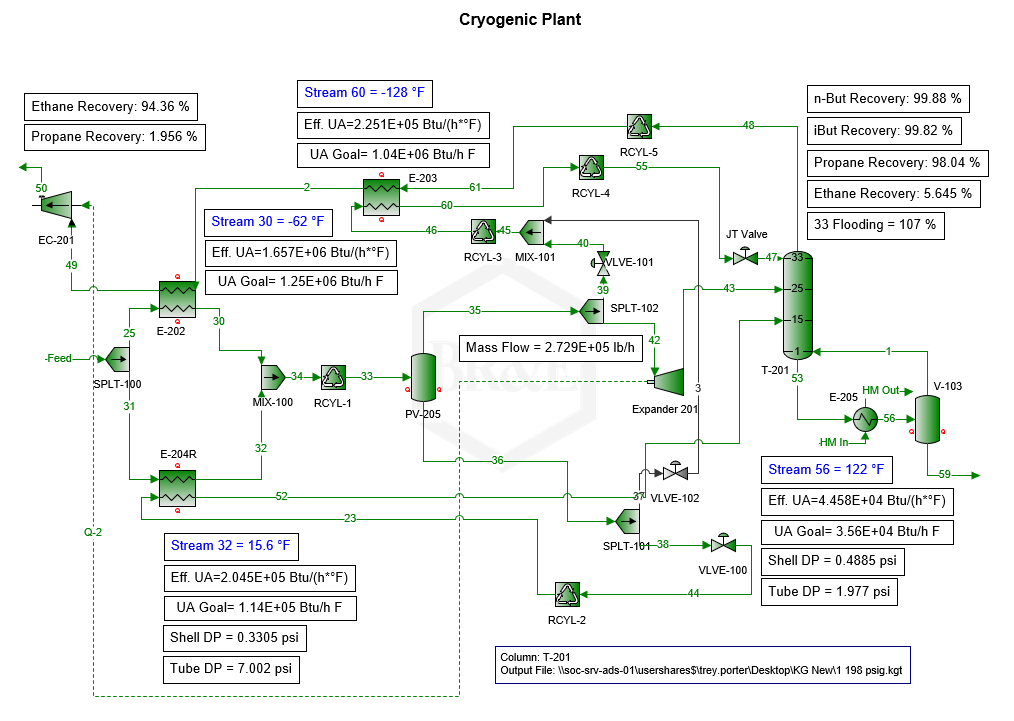
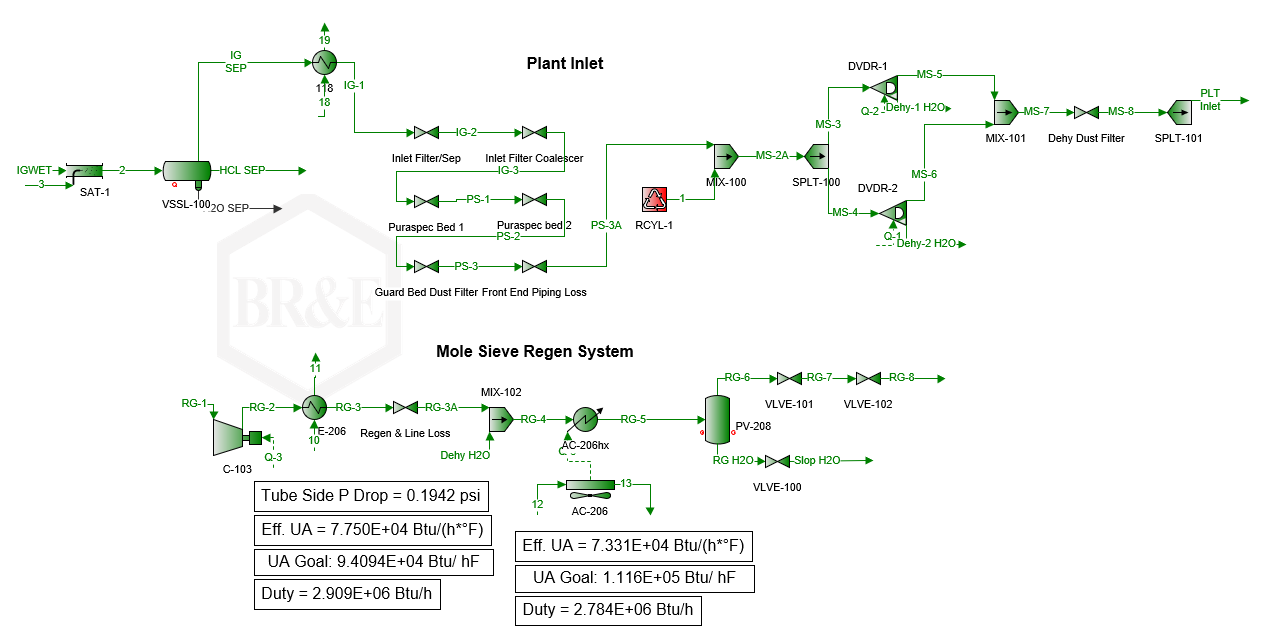
    Process models of the major equipment in ProMax:

    • Modeled cryogenic process for rejection and recovery modes
    • Engaged vendors to determine plant inlet pressure drops through filters/guard beds
    • Simulated mole sieve regeneration/dehydration loops
    • Evaluated residue gas compression and heat content
    • Determined heat transfer properties for exchangers/aerial coolers

    Debottleneck Evaluation:

    • Evaluated key equipment results to remain within equipment limits
      • Tower flooding within KG Tower software
      • Convective heat transfer for heat exchangers and aerial coolers
      • Dehydration media, cycle times, and saturation for mole sieve units
      • NPSHa vs. NPSHr for product and heat-medium pumps
      • Mass flow for expander-compressors
      • Compressor HP and available head capabilities
    • Evaluated nozzle momentum with K-factors and pressure drops across all equipment
    • Evaluated liquid retention time and vapor entrainment for vessels
    • Evaluated the effect on recoveries as plant inlet flow increases

    The Results

    • Determined minimum requirements to increase the throughput of each train by 20 MMSCFD
    • Summarized for operations major equipment restrictions for both recovery and rejection modes
    • Worked with filter vendors to determine maximum operating limits based on filter components
  • Cryogenic Electrical System

    Cryogenic Electrical System

    The Challenge

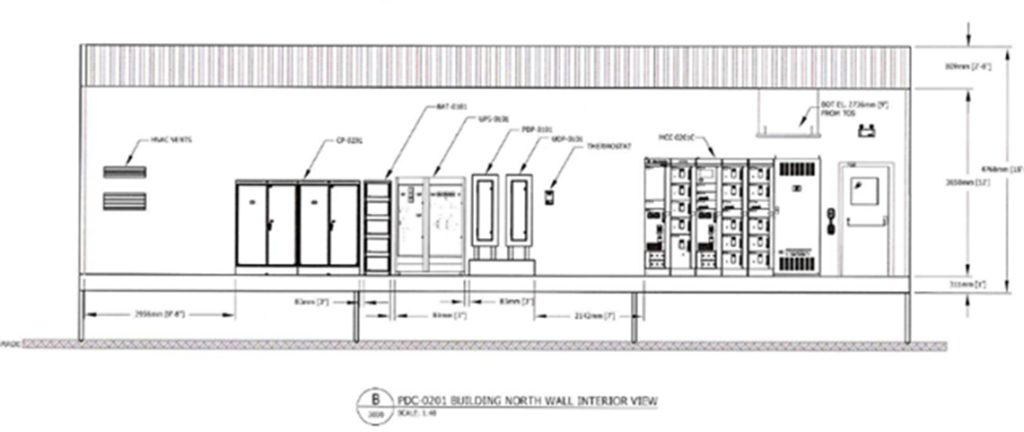
    Our Midstream Client required an electrical system consisting of medium and low voltage PDC buildings as part of their 200 MMSCF/day cryogenic facility which was executed as an EPC model with a large packager. There was a desire to provide an integrated motor control system with the site control platform, but also distribute the system to lower the total installed cost of the package.

    The Solution

    Designing for Construction:

    • Designing for Construction
      • The electrical system was designed to minimize cable runs by placing the buildings closer to the equipment
      • Distributing the electrical system into multiple buildings provided ease of transport and unloading and allowed for staged construction
      • Integration of the PDC and control system minimized onsite interconnects

    Executing to Deliver on Cost & Schedule:

    • Structured a Lump sum supply of (4) PDC buildings including MV and LV systems and control systems to control costs
    • Selected sparing capacity on MCC lineups to accommodate changes from the process/mechanical team
    • Executed integrated testing before shipment to ensure minimal onsite changes

    The Results

    • Low voltage buildings arrived before select mechanical packages allowing for electrical to execute in parallel to mechanical
    • Allowed for addition of VFDs from late changes to the design
    • Bottom entry connections lowered installation costs