The Challenge
The client’s industrial facility was in a remote location, and it was desired to operate the facility with renewable energy. Onsite power generation was required to generate upwards of 500 kW of demand during peak startup. Prior to the renewable power system coming online, CANUSA EPC also provided a temporary power system. The final microgrid solution needed to accommodate tie in planning for the existing generators as backup units.
The Solution
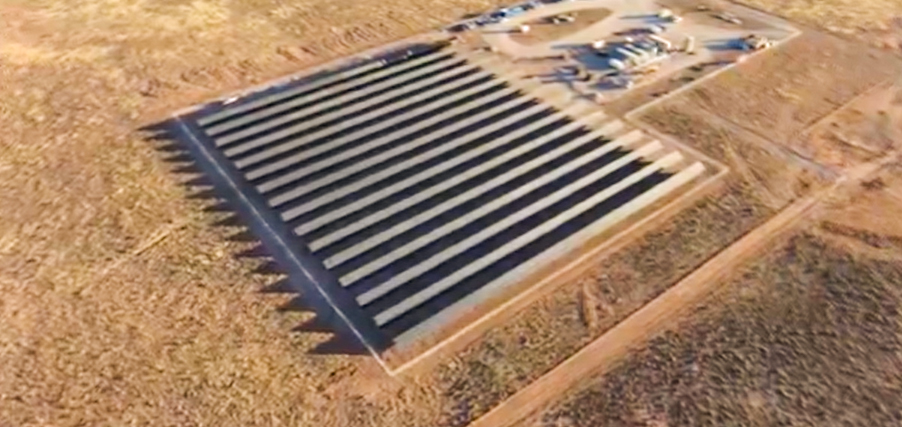
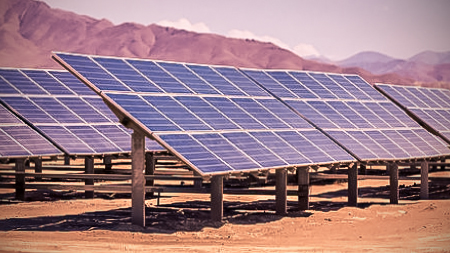
CANUSA EPC worked with the Client to develop a plan to start the facility on natural gas generated power and then cut over to a solar power generation system coupled with a battery energy storage system. The end state of the facility would be a microgrid system consisting of a 3500-panel solar farm capable of producing 1.6MW of power, a 4MWh energy storage system, and a 1MW of backup generator to provide clean energy to the industrial plant.
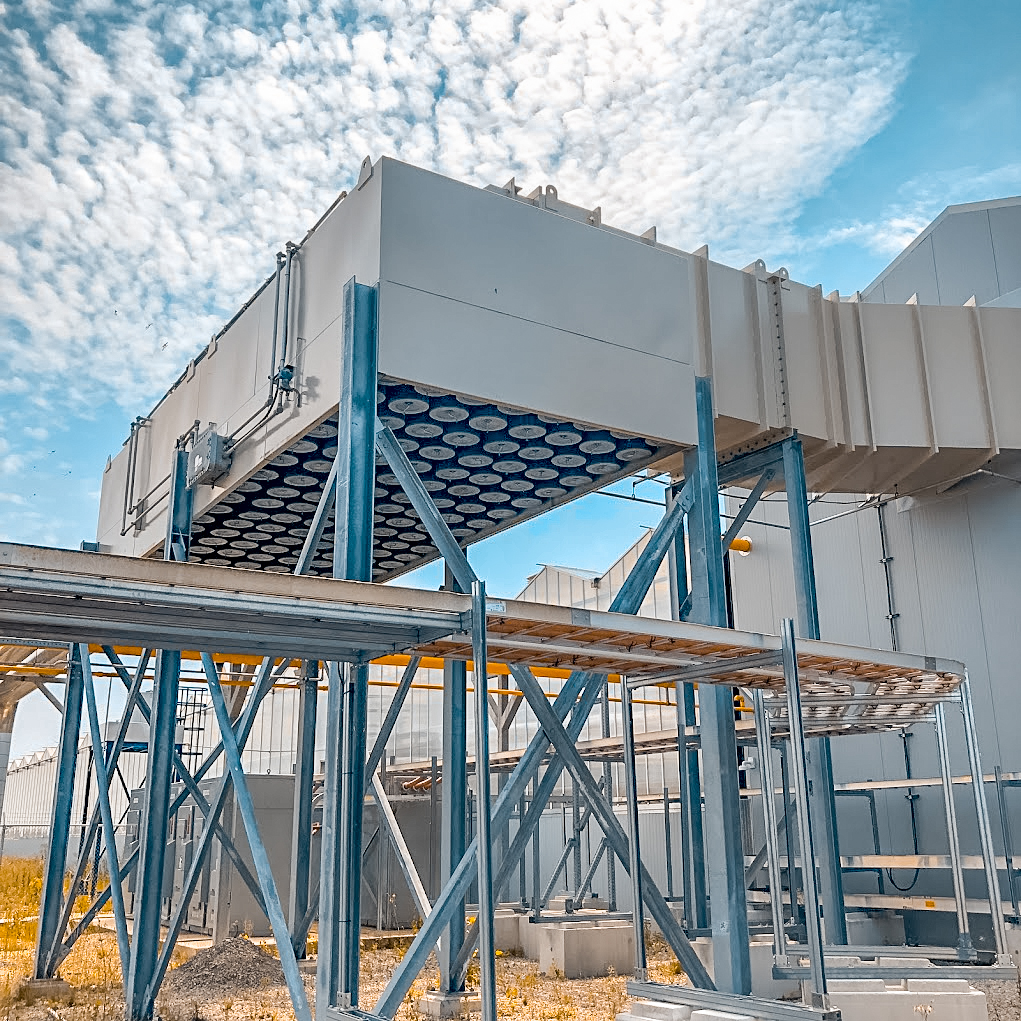
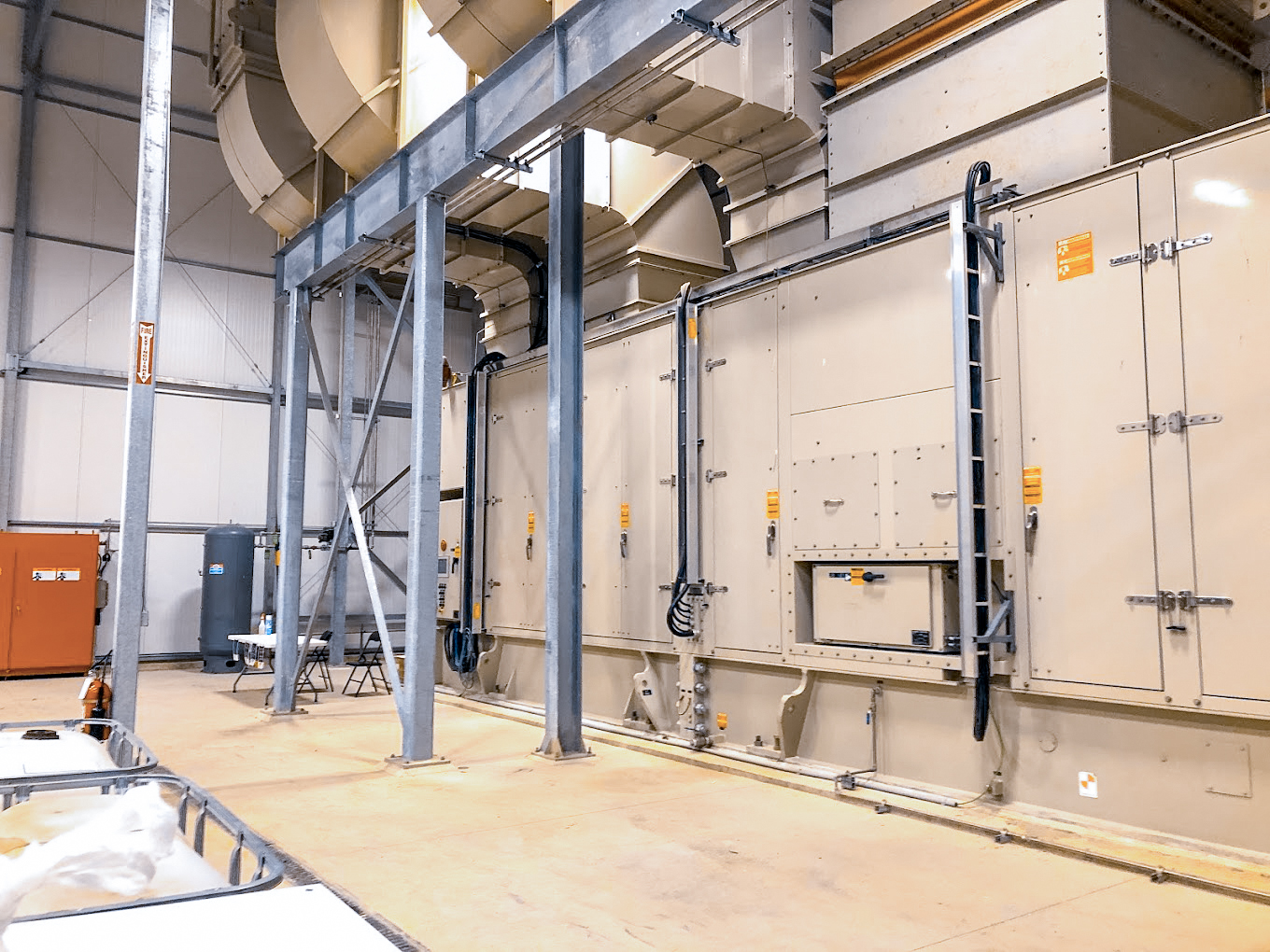
To reduce construction costs, the project was executed with various direct technology providers to secure the lowest cost for the microgrid system. Sourcing included generators, power distribution buildings, solar arrays, energy storage, and a microgrid controller. The client entrusted CANUSA EPC to coordinate and manage all involved parties to produce a cohesive microgrid system. Our team reviewed all procured equipment and provided a complete electrical package for microgrid construction.
- Trenching details
- Major equipment specification
- Procurement support
- One-line development
- Network architecture
- Cable sizing
- PDC review
- Electrical plot plans
The Results
CANUSA EPC managed multiple vendors to implement a microgrid system for the remote helium processing plant.
- Energy storage system will power the facility for 13.5 hours with no additional power generation, allowing the facility to operate mostly on solar power.
- Embedded microgrid controller in the PDC building will switch to natural gas-powered generators in scenarios where the solar farm and energy storage unit are in a deficit.