Location: Douglas, WY

  • Cryogenic Electrical System

    Cryogenic Electrical System

    The Challenge

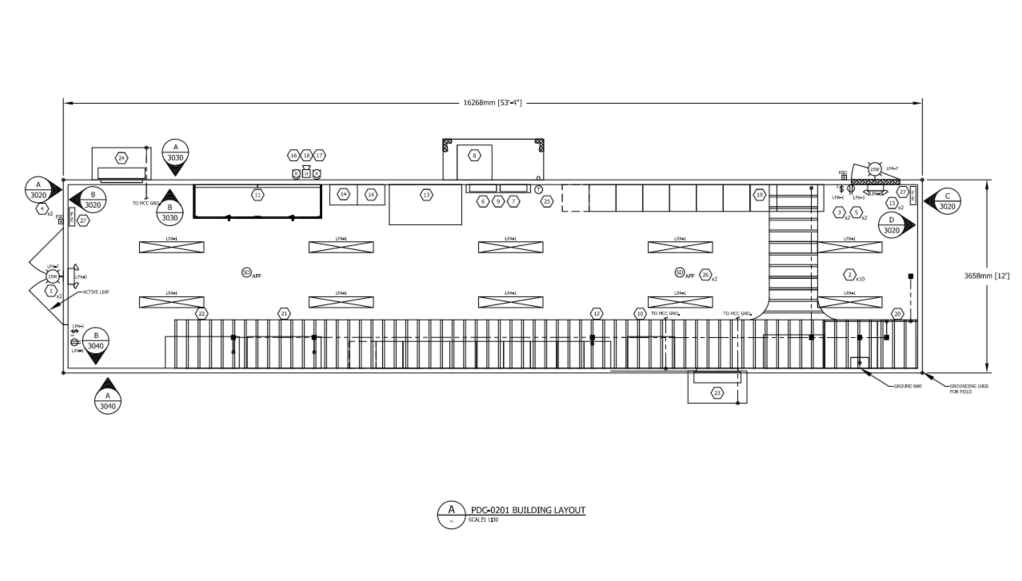
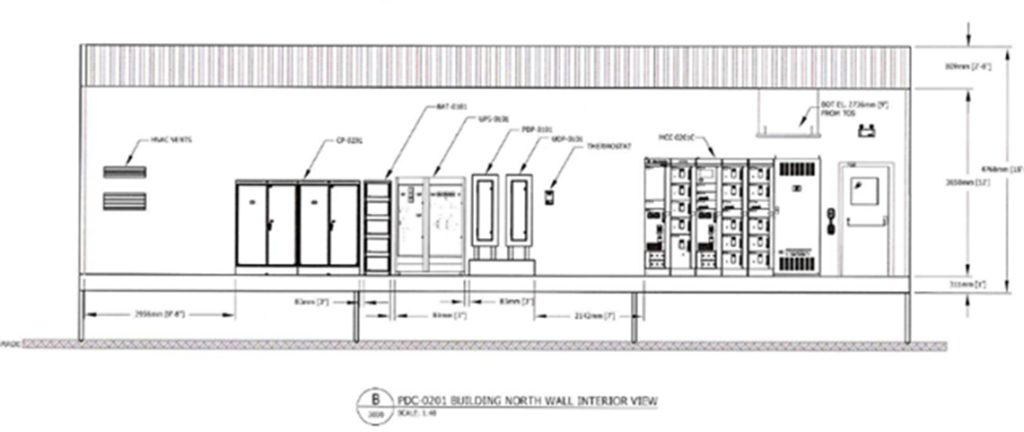
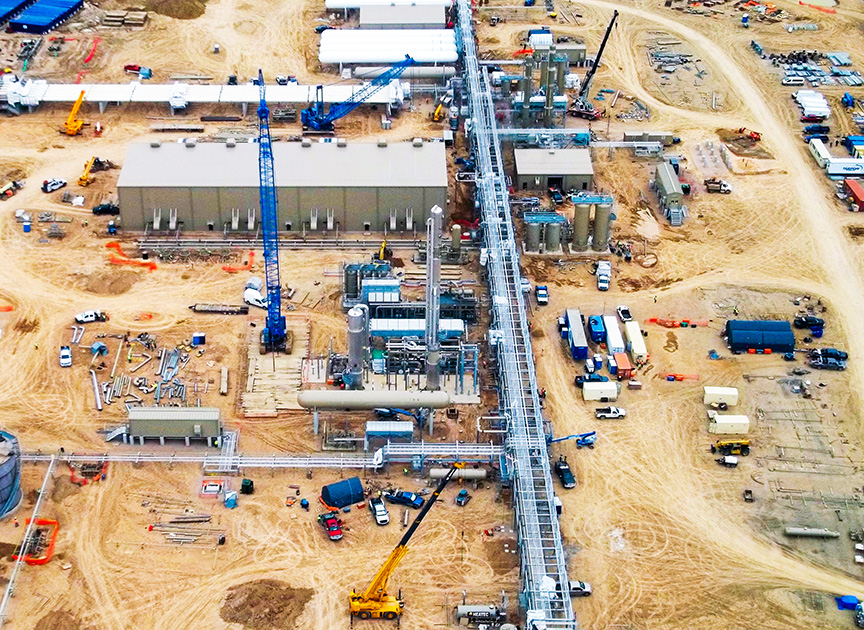
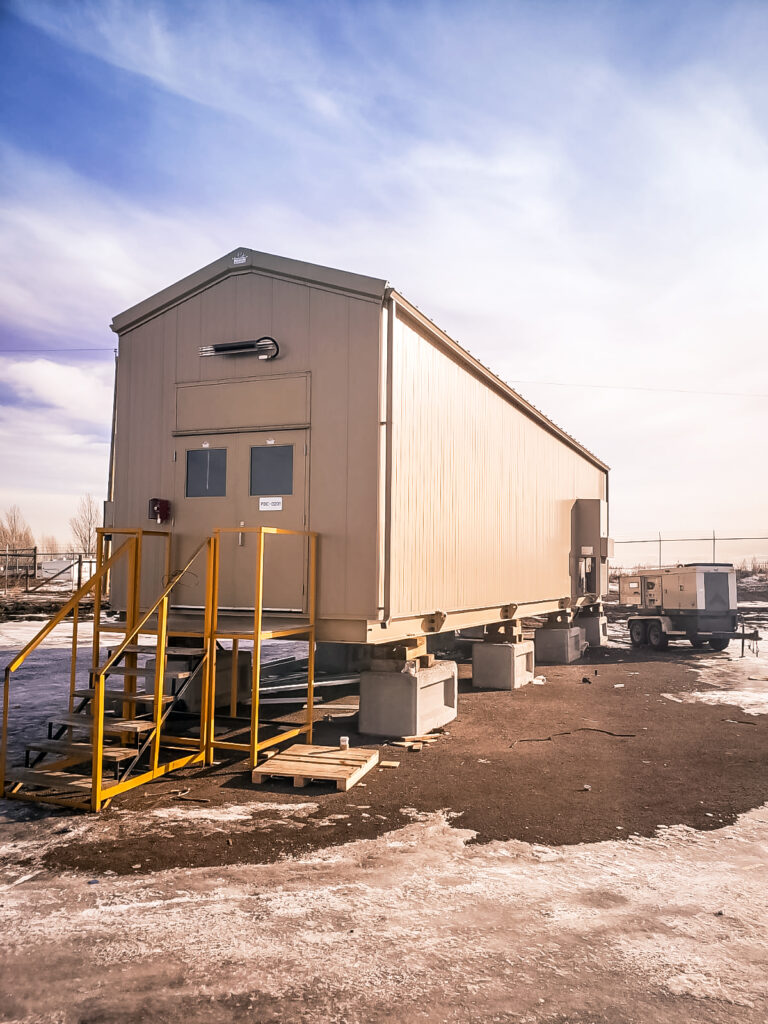
    Our Midstream Client required an electrical system consisting of medium and low voltage PDC buildings as part of their 200 MMSCF/day cryogenic facility which was executed as an EPC model with a large packager. There was a desire to provide an integrated motor control system with the site control platform, but also distribute the system to lower the total installed cost of the package.

    The Solution

    Designing for Construction:

    • Designing for Construction
      • The electrical system was designed to minimize cable runs by placing the buildings closer to the equipment
      • Distributing the electrical system into multiple buildings provided ease of transport and unloading and allowed for staged construction
      • Integration of the PDC and control system minimized onsite interconnects

    Executing to Deliver on Cost & Schedule:

    • Structured a Lump sum supply of (4) PDC buildings including MV and LV systems and control systems to control costs
    • Selected sparing capacity on MCC lineups to accommodate changes from the process/mechanical team
    • Executed integrated testing before shipment to ensure minimal onsite changes

    The Results

    • Low voltage buildings arrived before select mechanical packages allowing for electrical to execute in parallel to mechanical
    • Allowed for addition of VFDs from late changes to the design
    • Bottom entry connections lowered installation costs
  • Amine Vent Dispersion

    Amine Vent Dispersion

    The Challenge

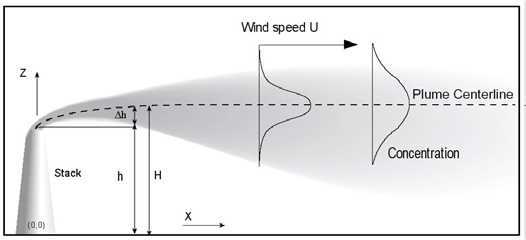
    The Client was experiencing shutdown trips in their amine processing area from hydrogen sulfide sensors due to increased H2S in the inlet gas. During calm ambient conditions (e.g. no wind), the gas from the vent stack can migrate to grade and present safety concerns for the onsite operators and exceed the NIOSH REL and OSHA PEL 10-minute exposure limits.

    The Solution

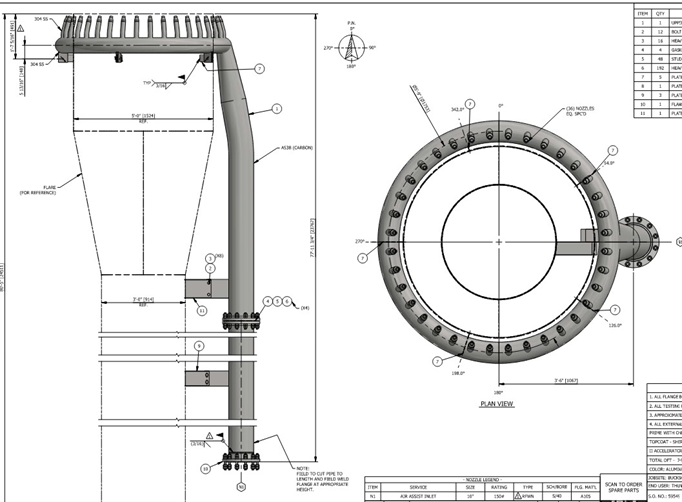
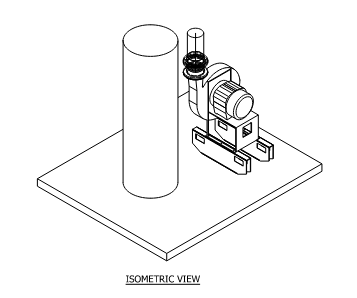
    CANUSA EPC evaluated various options from thermal oxidizers, vent stack blowers, and H2S scavengers as solutions to reduce the instances where H2S was causing facility shutdowns. The solution selected was a modified blower vent tip system to increase the velocity of the exit gas to elevate the concentrated gas high enough to disperse to non-detectable levels by the time it reached safety sensors.

    Engineering:

    • Blower specification
    • Dispersion modeling
    • Electrical system additions
    • Vent structural steel design for blower

    Procurement:

    • VFD Specification
    • Blower package evaluation
    • Dispersion modeling
    • Construction package bids

    The Results

    Reduction in ground measurements of H2S exceeding the 20 ppm sensor shutdown

    • Reduced conditions where operators are exposed to H2S limits above OSHA
    • Mitigated instances of shutdown related to inadequate dispersion of H2S