Resource Type: Whitepapers

  • Power System Planning: Onsite Power System Considerations With Natural Gas

    Power System Planning: Onsite Power System Considerations With Natural Gas

    Summary

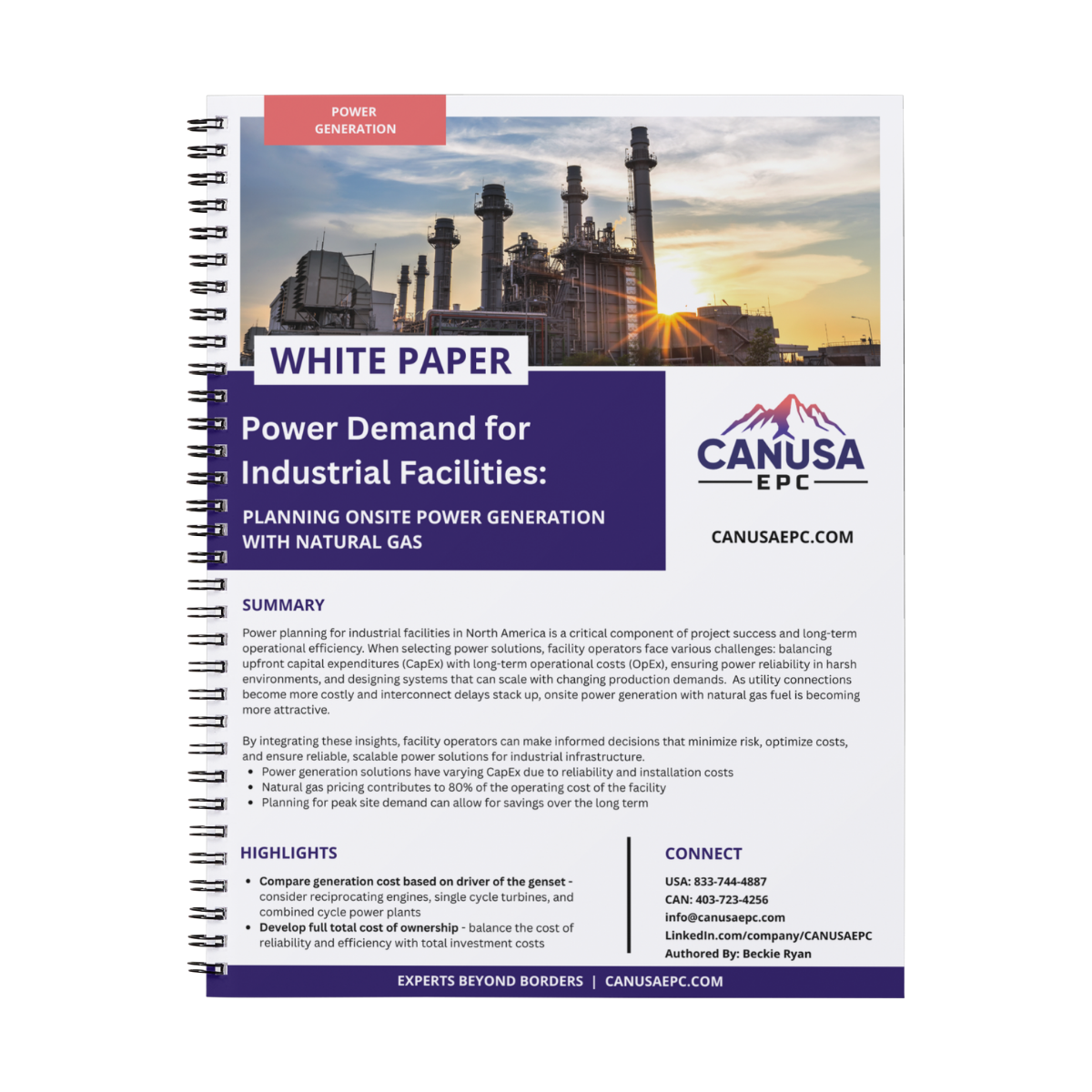
    Developing industrial infrastructure projects is becoming more reliant on power planning and electrification of the future assets. Onsite power generation is becoming more attractive for operators to accelerate their project outside of utility timelines and control their long-term operating costs.

    This whitepaper compiles data from previous projects and studies to support the financial analysis for power generation projects for operators determining what is the best onsite power solution for their project.

    This power system planning guide includes:

    • CapEx and OpEx discussions for power generation
    • Reliability strategies for electrification of future facilities
    • Analysis of modularized power deployments
  • Closed Vent System Compliance Certification Checklist For OOOO(a/b/c)

    Closed Vent System Compliance Certification Checklist For OOOO(a/b/c)

    Summary

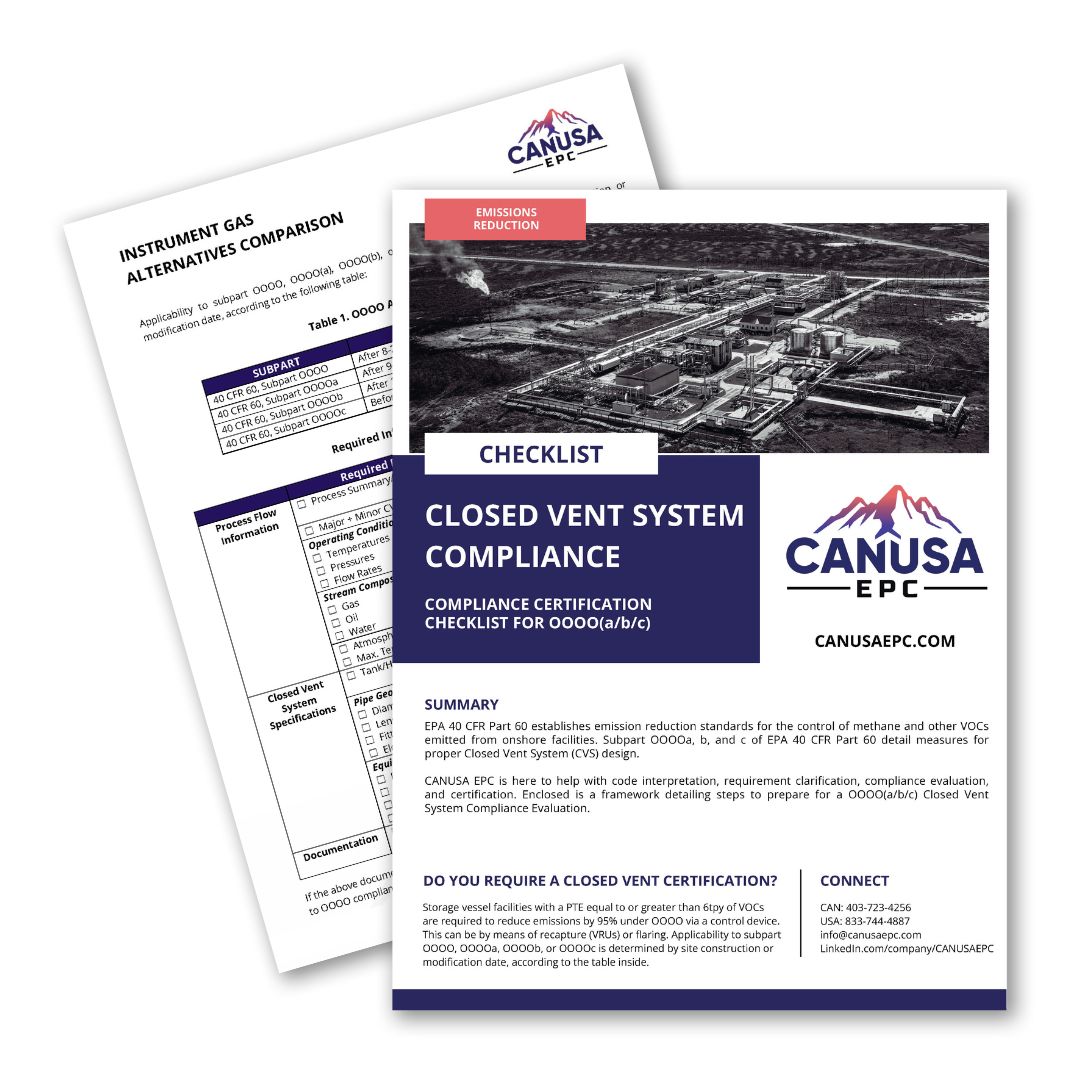
    EPA 40 CFR Part 60 establishes emission reduction standards for the control of methane and other VOCs emitted from onshore facilities. Subpart OOOO(a/b/c) of EPA 40 CFR Part 60 detail measures for proper Closed Vent System (CVS) design.

    CANUSA EPC is here to help with code interpretation, requirement clarification, compliance evaluation, and certification. Enclosed is a framework detailing steps to prepare for a OOOO(a/b/c) Closed Vent System Compliance Evaluation.

    This guide includes:

    • Applicability Dates
    • Process Flow Information
    • Closed Vent System Specifications
    • Documentation
  • OOOO(b): Methane Emission Reduction Cost-management Strategies for Compression Sites

    OOOO(b): Methane Emission Reduction Cost-management Strategies for Compression Sites

    Summary

    The EPA’s latest methane rule – OOOO(b) – mandates zero-emission process controllers and pneumatic pumps, pushing gas compression facilities to invest in compliance projects. Want to ensure you meet budget and timelines? Read on for 7 strategies to consider in your compliance project program.

    This whitepaper compiles data from previous projects and studies to support the financial analysis for power generation projects for operators determining what is the best onsite power solution for their project.

    This OOOO(b) for compression sites guide includes:

    • Article, published in Hart Energy Magazine, discussing instrument air conversions, OOOO(b) planning and best practices, achieving operational efficiencies, and moving forward with compliance
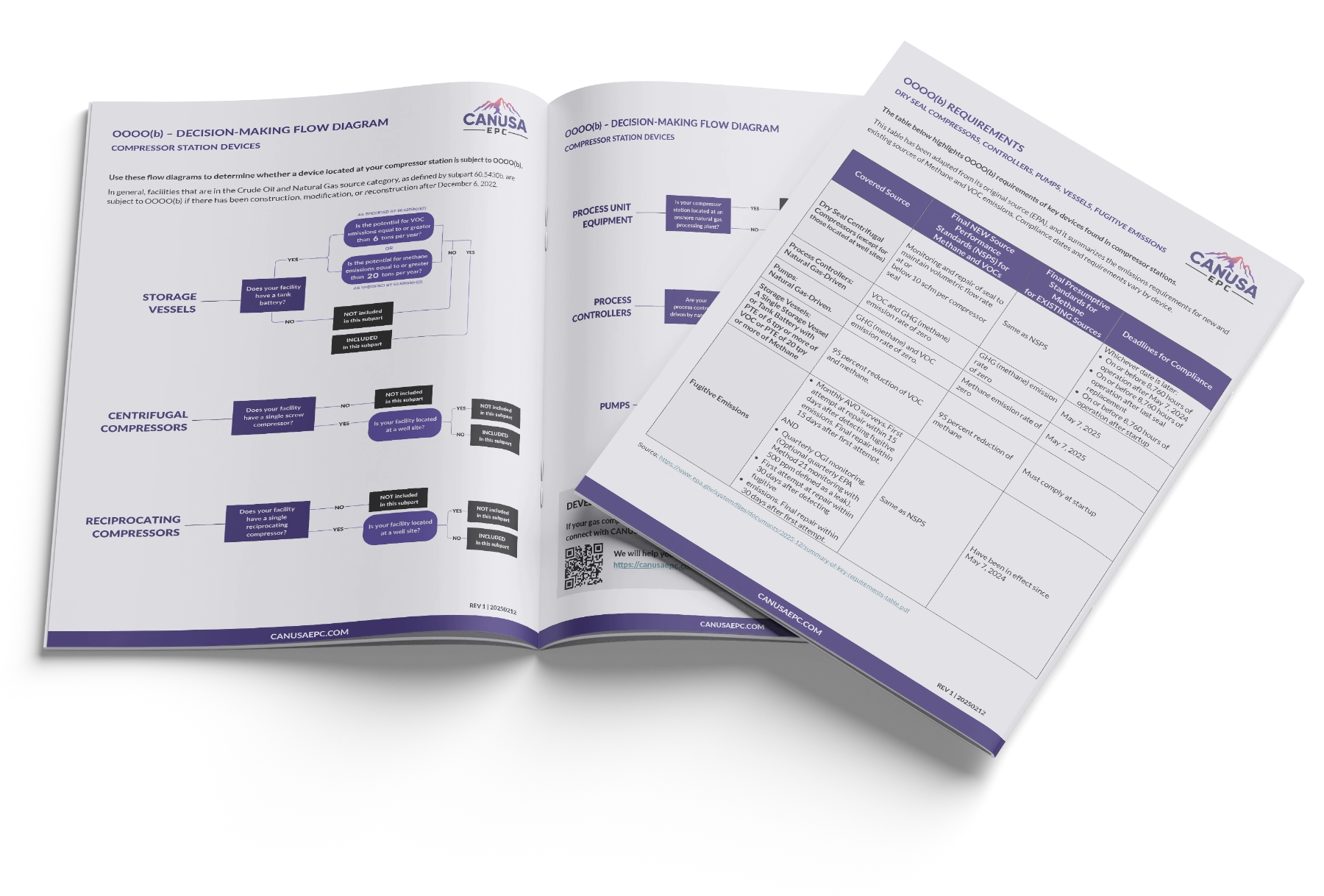
    • Matrix highlighting OOOO(b) requirements of key devices found in compressor stations: dry seal compressors, controllers, pumps, vessels, and fugitive emissions
    • Decision-making flow diagrams to help you determine which OOOO(b) sub-parts pertain to your operation
  • Instrument Gas Alternatives Comparison Guide

    Instrument Gas Alternatives Comparison Guide

    Summary

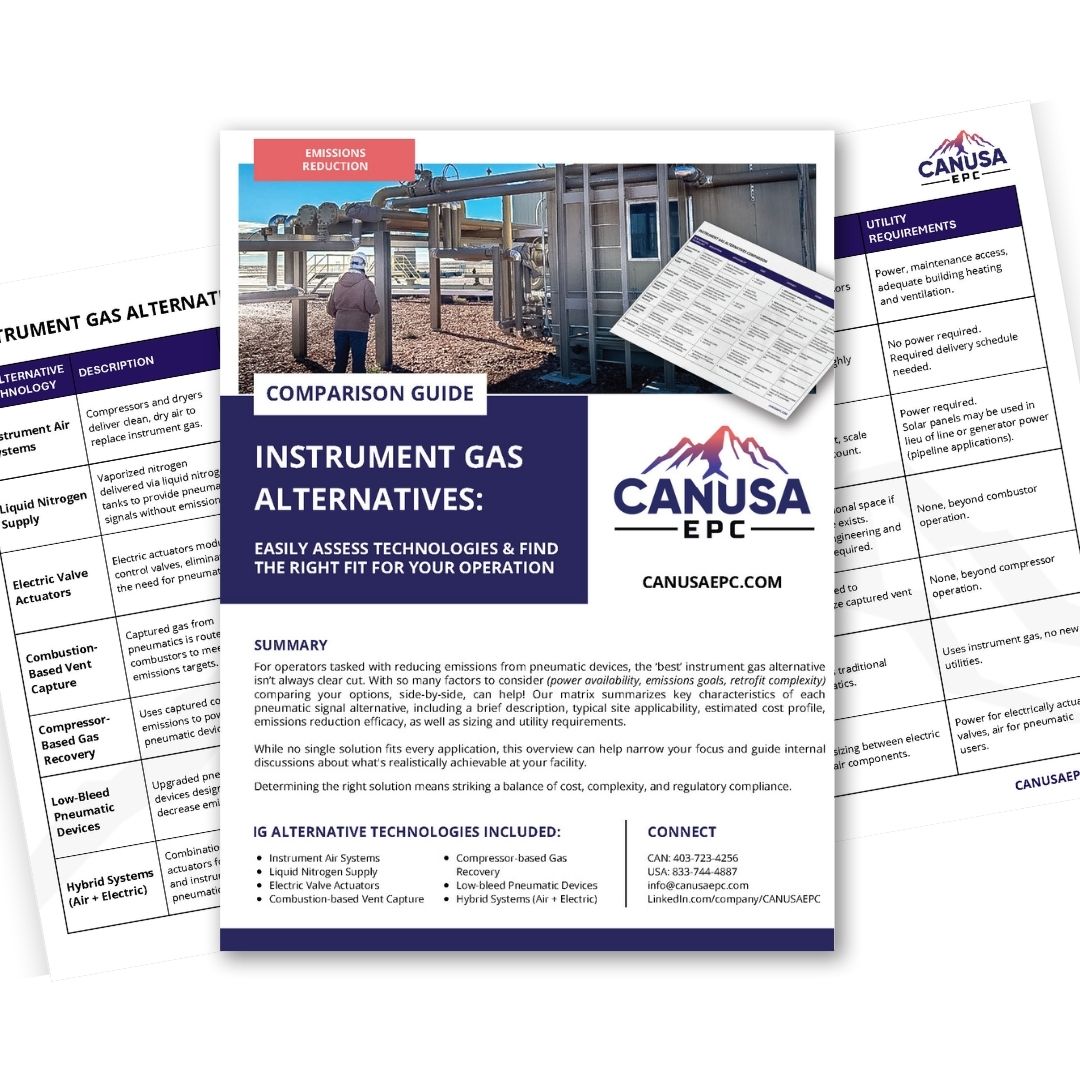
    For operators tasked with reducing emissions from pneumatic devices, the ‘best’ instrument gas alternative isn’t always clear cut. With so many factors to consider (power availability, emissions goals, retrofit complexity) comparing your options, side by-side, can help! Our matrix summarizes key characteristics of each pneumatic signal alternative.

    While no single solution fits every application, this overview can help narrow your focus and guide internal discussions about what’s realistically achievable at your facility. Determining the right solution means striking a balance of cost, complexity, and regulatory compliance.

    This instrument gas alternatives comparison guide includes:

    • Brief Description
    • Typical Site Applicability
    • Estimated Cost Profile
    • Emissions Reduction Efficacy
    • Sizing and Utility Requirements
  • Maximize Efficiency & Reliability In CO2 Injection

    Maximize Efficiency & Reliability In CO2 Injection

    A Dehydration Study

    Summary

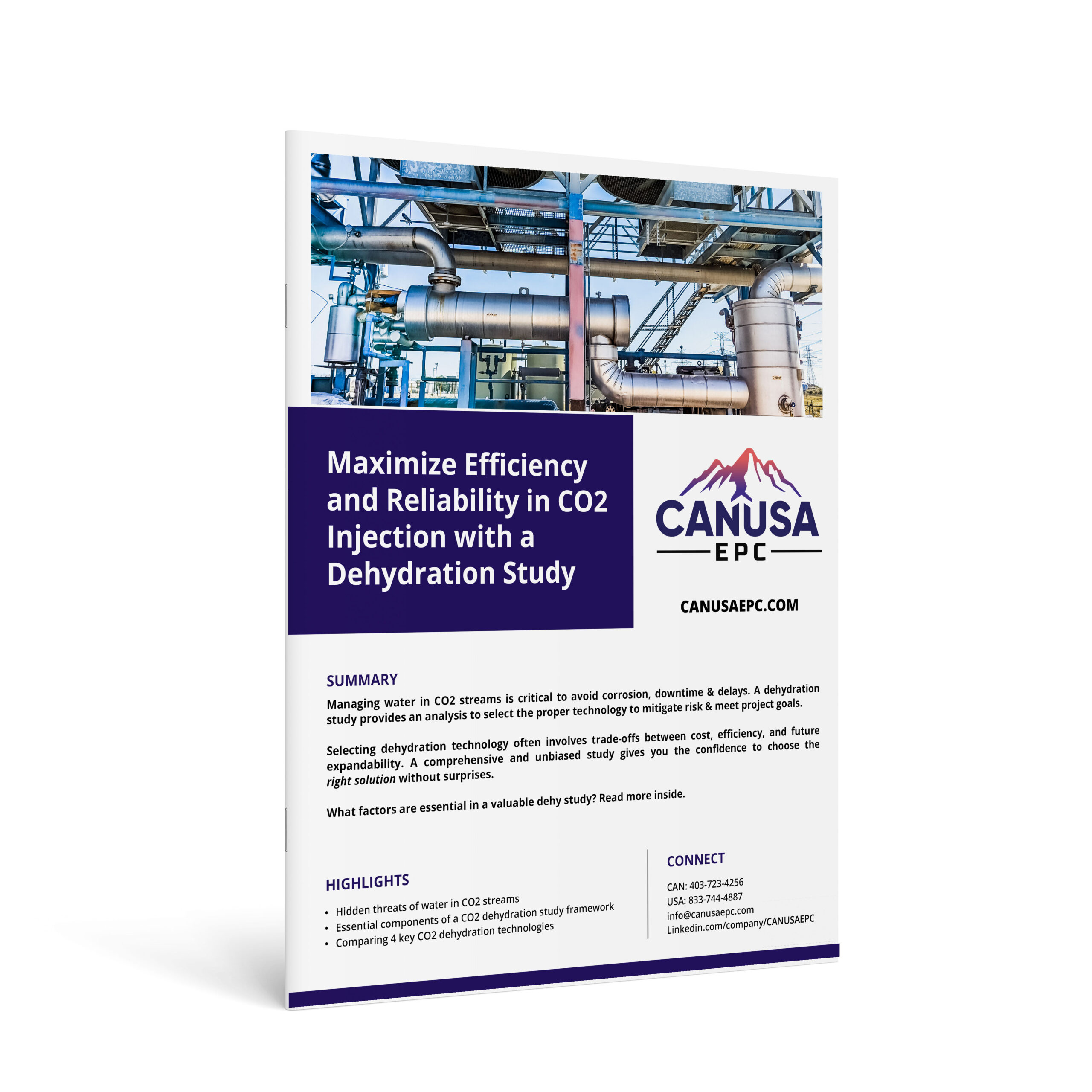
    Managing water in CO2 streams is critical to avoid corrosion, downtime & delays. A dehydration study provides an analysis to select the proper technology to mitigate risk & meet project goals. Dehydration technology selection often involves trade-offs between cost, efficiency, and future expandability.

    A comprehensive and unbiased study gives you the confidence to choose the right solution without surprises. What factors are essential in a valuable dehy study? Read more inside.

    This guide includes:

    • Hidden threats of water in CO2 streams
    • Essential components of a CO2 dehydration study framework
    • Comparing 4 key CO2 dehydration technologies
  • Canada Methane Emissions

    Canada Methane Emissions

    Understanding Methane Regulations In Energy Production

    Summary

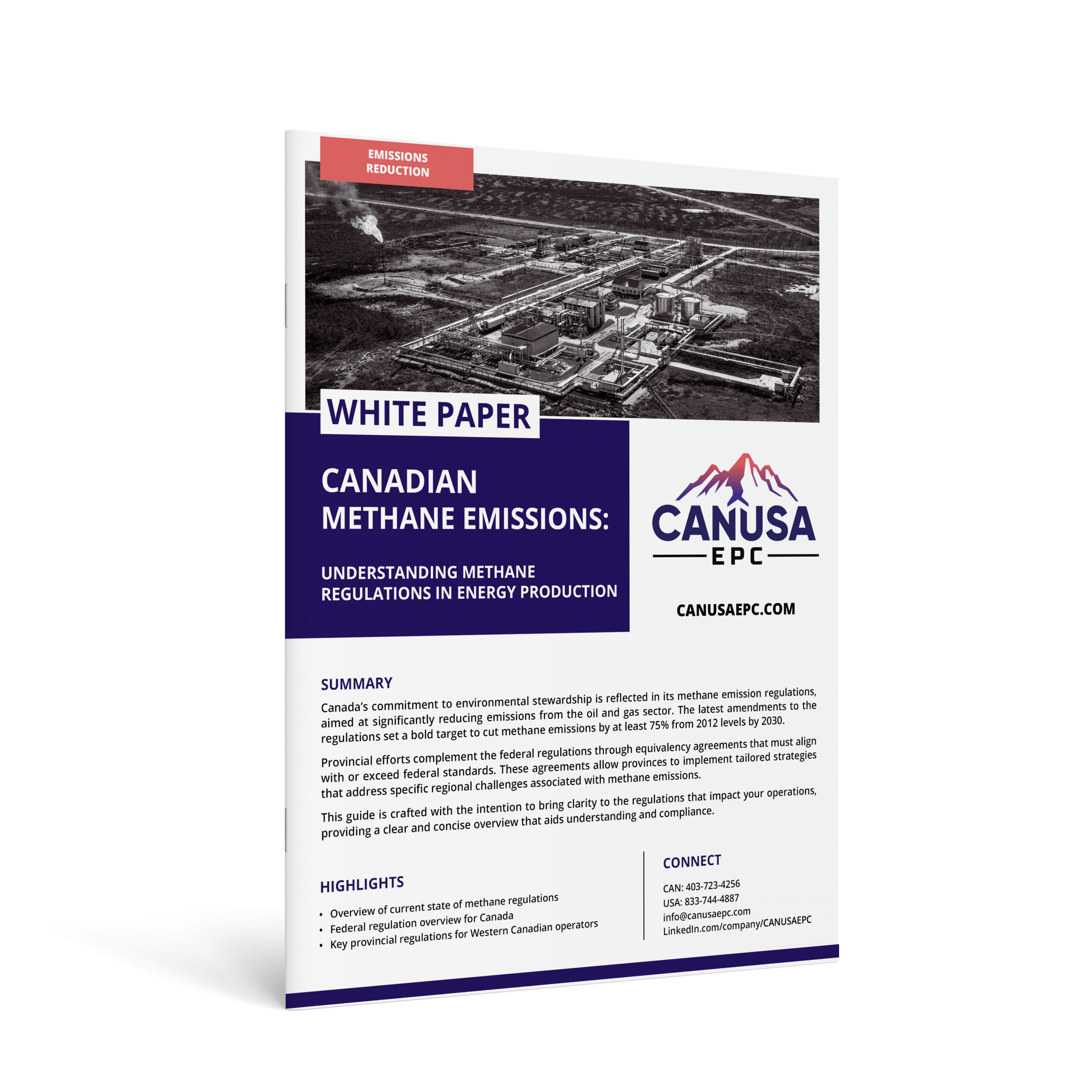
    Canada’s commitment to environmental stewardship is reflected in its methane emission regulations, aimed at significantly reducing emissions from the oil and gas sector. The latest amendments to the regulations set a bold target to cut methane emissions by at least 75% from 2012 levels by 2030.

    Provincial efforts complement the federal regulations through equivalency agreements that must align with or exceed federal standards. These agreements allow provinces to implement tailored strategies that address specific regional challenges associated with methane emissions.

    This guide is provided with the intention to bring clarity to the regulations that impact your operations, providing a clear and concise overview that aids understanding and compliance.

    This Canadian Methane Emissions guide includes:

    • Overview of methane regulations (2023 data)
    • Federal regulation overview for Canada
    • Key provincial regulations for Western Canadian operators
  • USA Methane Emissions

    USA Methane Emissions

    Understanding Methane Regulations In Energy Production

    Summary

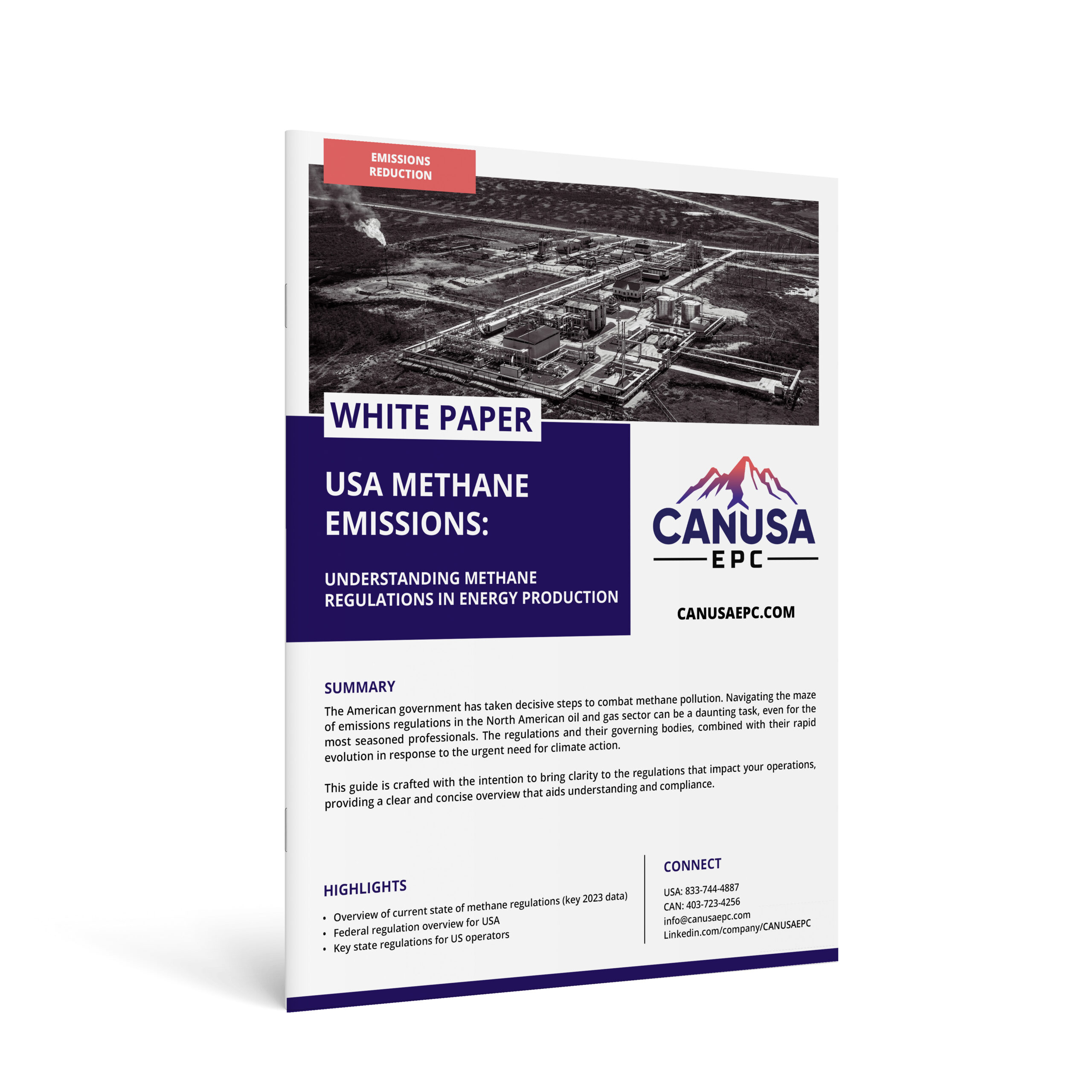
    The US government has taken decisive steps to combat methane pollution. Navigating the maze of emissions regulations in the North American oil and gas sector can be a daunting task, even for the most seasoned professionals.

    This guide was created with the intention to bring clarity to the regulations, such as OOOO(b) that impact your operations, providing a clear and concise overview that aids understanding and compliance on USA methane emissions.

    This USA methane emissions guide includes:

    • Overview of current state of methane regulations (key 2023 data)
    • Federal regulation overview for USA
    • Key state regulations for US operators
    • Highlights EPA & OOOO(b)
  • Carbon Capture Evaluation

    Carbon Capture Evaluation

    Post-combustion Compressor Exhaust

    Summary

    CANUSA EPC has prepared the following analysis related to the feasibility of carbon capture from the exhaust streams of natural gas driven compressors at a compressor station located in North America. This analysis is based on CANUSA EPC’s experience with carbon capture technologies, applying those existing technologies to exhaust gas from post-combustion processes, and leveraging our project expertise with compressor stations.

    The basis of the analysis considered 27 metric tons per day (MTPD) from a single engine unit, 189 MTPD from seven (7) units, and 300 MTPD with an exhaust stream of 5.59 mol % CO2. Available technologies allow for a recovery of 90 mol % CO2 and a purity of 98 mol % CO2. The findings of the white paper identify the normalized value of CO2 for the various flow rates to develop the economics of these projects. *Based on 2023 industry developments.

    This guide includes:

    • Summary of the process
    • Major equipment
    • Project economics