Expertise: Gathering System

  • Pipeline System Expansion

    Pipeline System Expansion

    The Challenge

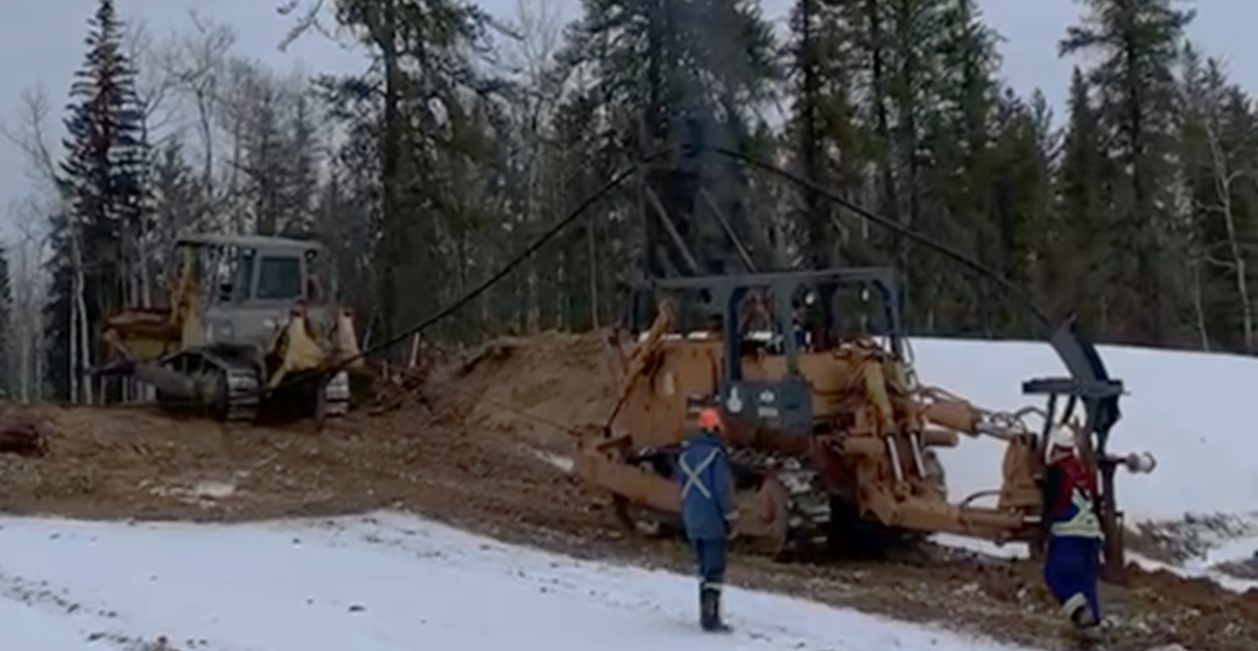
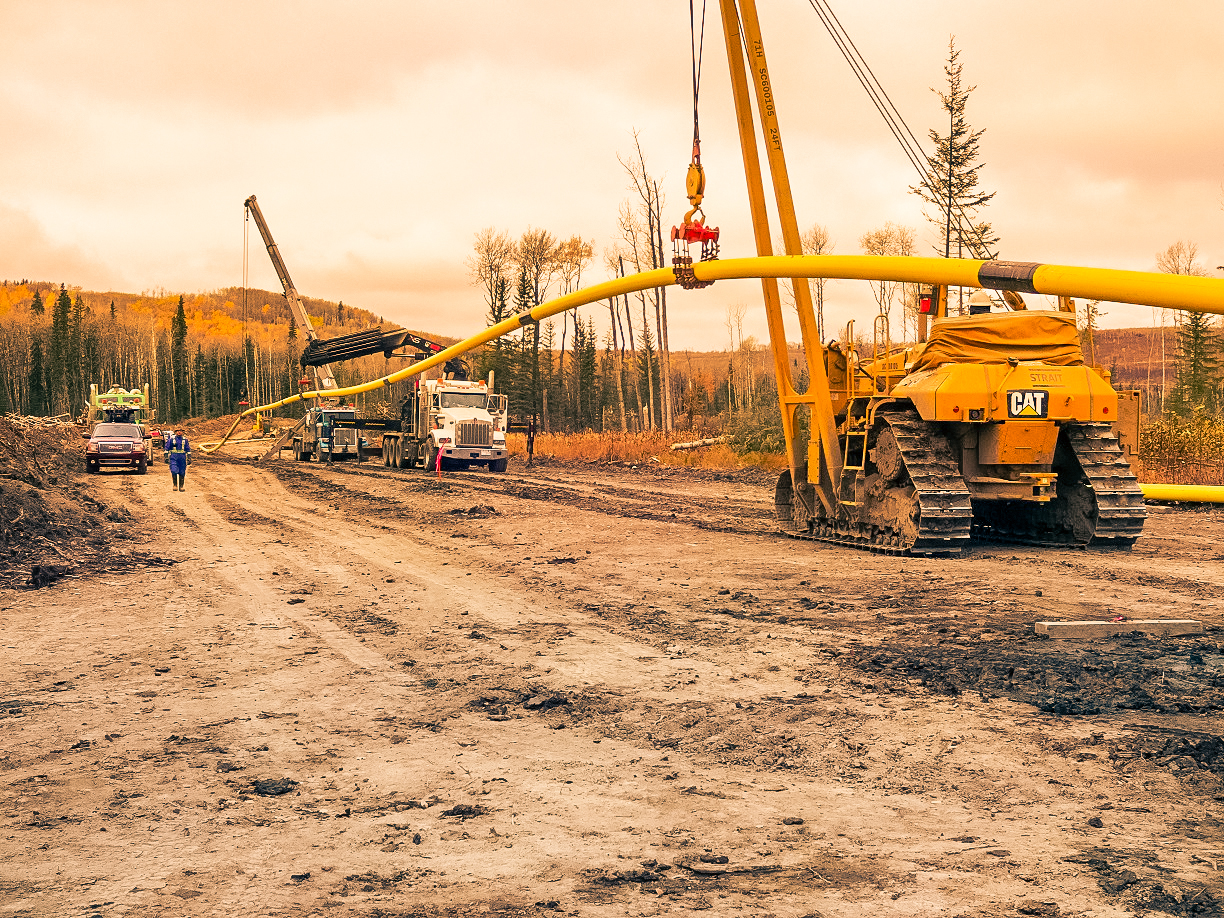
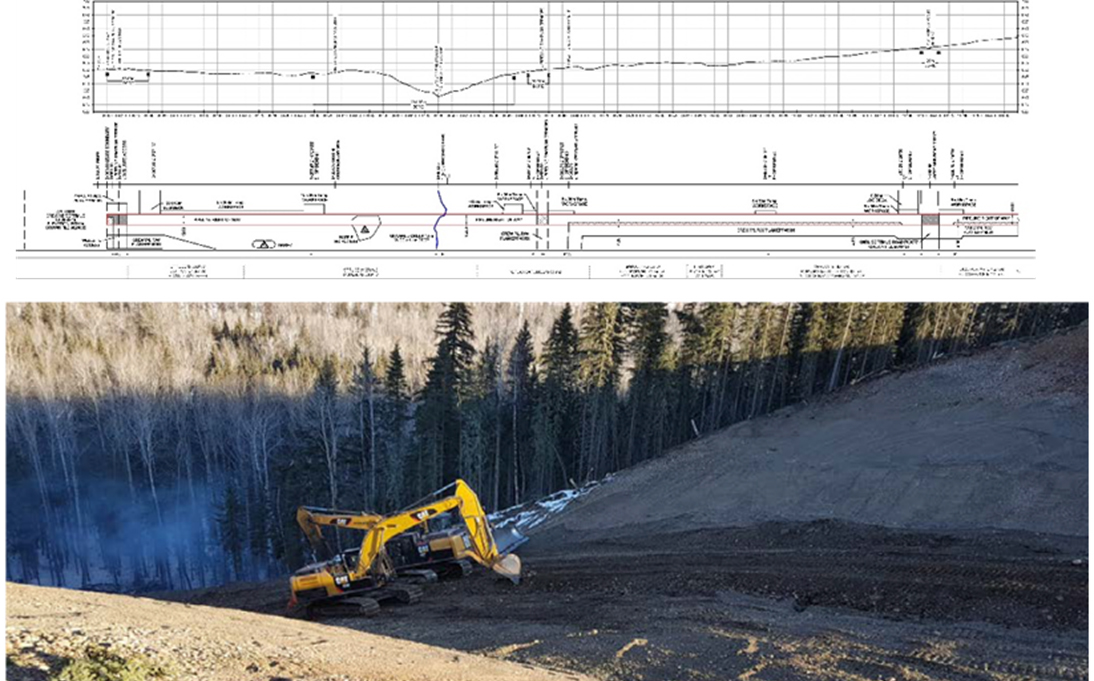
    British Columbia has stringent pipeline regulations and the geography presents harsh weather and steep/diverse terrain. Due to the project’s construction size, nearly 60 vendors were required over the 10+ month schedule. With various constructability issues, especially pertaining to hydrotesting, de-watering and purging operations, the Client required a team with experience and the right tools to complete the project.

    The Solution

    • CANUSA EPC provided a single point of contact for all 59 vendors
    • Designed and coordinated to safely cross large rivers while meeting all environmental regulations
      • Septimus NPS 8 sales gas and gathering pipeline loop (combined 9,800+ meters; river crossings)
      • Monias NPS 12 sales gas, NPS 6 natural gas and NPS 6 liquid pipeline constructions (combined 55,600+ meters)
      • Saturn NPS 16 sales gas pipeline construction (combined 23,900+ meters; river crossings)
    • Design of the pipeline pigging facilities for 900 ANSI system under CSA specifications
    • Daily, weekly and monthly project reporting including budget, schedule, safety and quality
    • Sweet natural gas and condensate pipelines were constructed as spare bi-directional lines for future production

    The Results

    • Improved capacity and flexibility of the gathering and sales pipeline system
    • NPS 16 sales gas pipeline connected the NPS 12 pipeline from existing gas plant
    • Transported sweet natural gas from the field to the existing gas plant – allowing for incremental gas production
    • Provided flexibility for Client logistics with bi-directional designs
  • 120 MMSCFD Compressor Site Expansion

    120 MMSCFD Compressor Site Expansion

    The Challenge

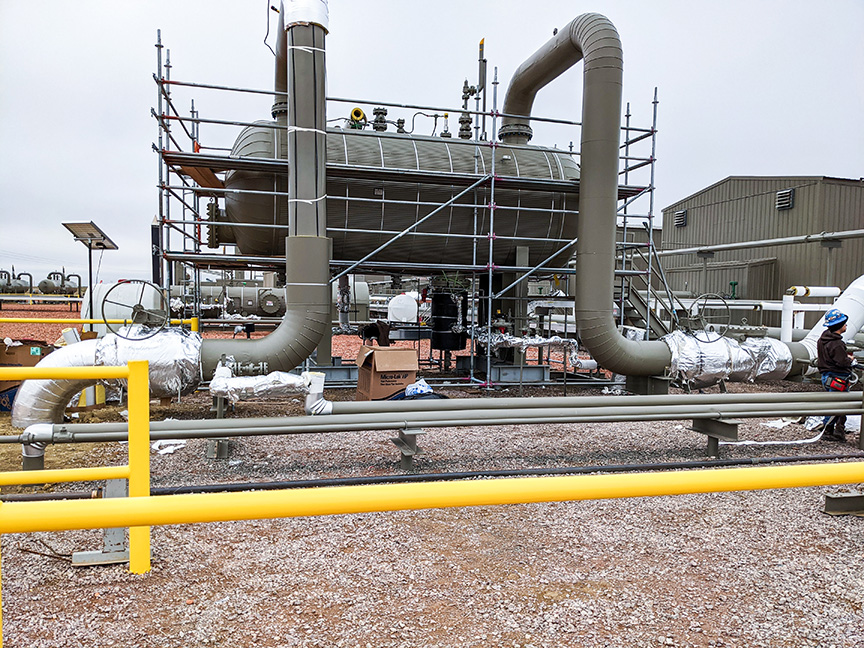
    Growing gas production necessitated our client expand one of their compressor stations, doubling the capacity and total installed horsepower. The original design of the low-pressure inlet was originally designed for two slug catchers, leading to concern over liquid management onsite. The high-pressure inlet did not allow for blending for dehydration optimization. Late into execution of the project, the existing high-pressure 3-phase separator was upsized to improve liquid removal and dehydration performance.

    The Solution

    Developed a plan and budget:

    • Executed onsite visits and as-built documentation of existing facility
    • Reviewed operational improvements for the expansion
    • Developed design basis to capture required project technical requirements

    Source new equipment:

    • Low-pressure inlet slug catcher
    • High-pressure 3-phase separator
    • Motor Control Center (MCC) expansion

    Execute value engineering to support the project schedule:

    • P&ID generation
    • Equipment evaluation
    • PSV sizing calculations and safety review
    • Engineered valve specification
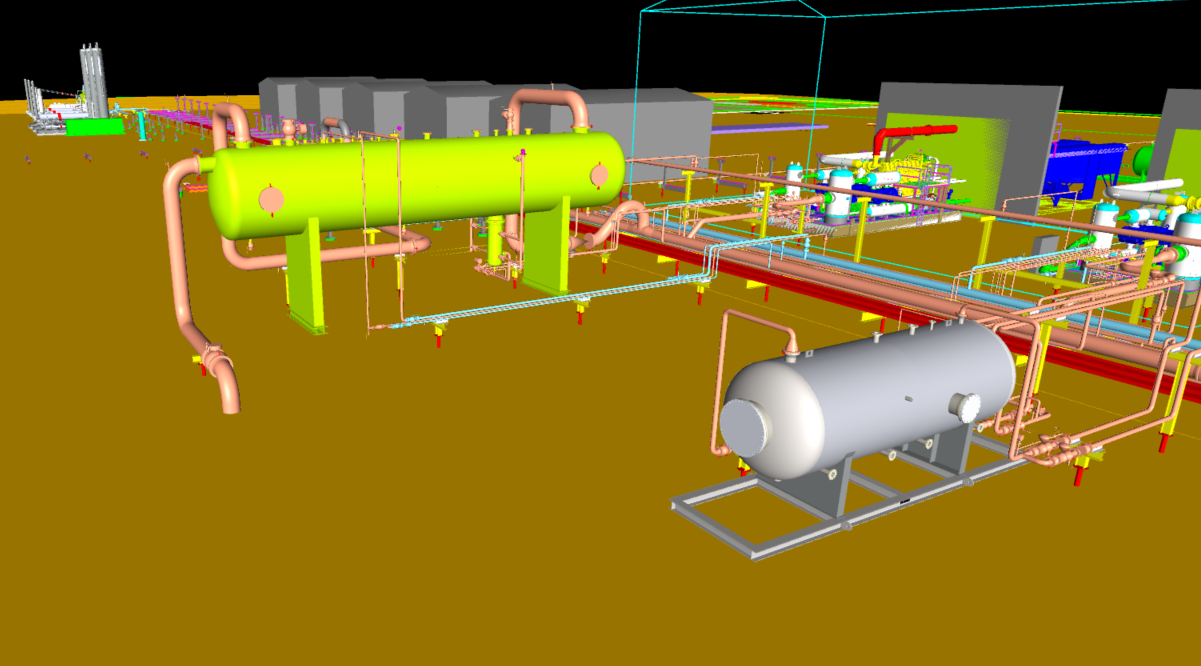
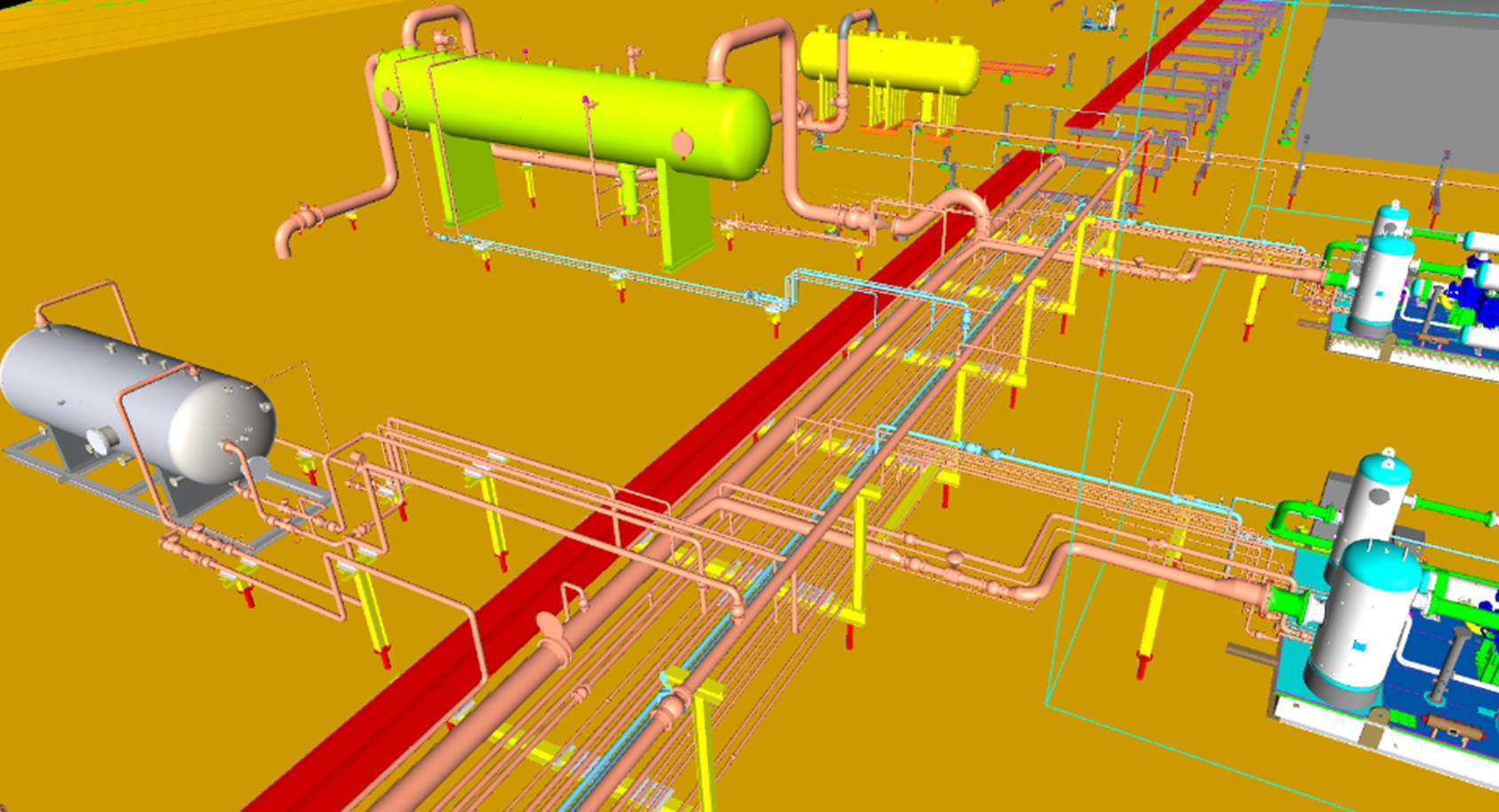
    • 3D modeling
    • Construction packages for electrical, mechanical, and civil bids

    The Results

    Engineering:

    • Up-to-date engineering package for the site
    • Future compressor additions require no additional mechanical design
    • Developed plan for short shutdown window for tie-ins

    Operations:

    • Addressed issues with high-pressure drains to VRU
    • Improved isolation and access to compressor packages
    • Consolidated planned equipment for a two-inlet design to single inlet
  • Greenfield Compressor Station

    Greenfield Compressor Station

    The Challenge

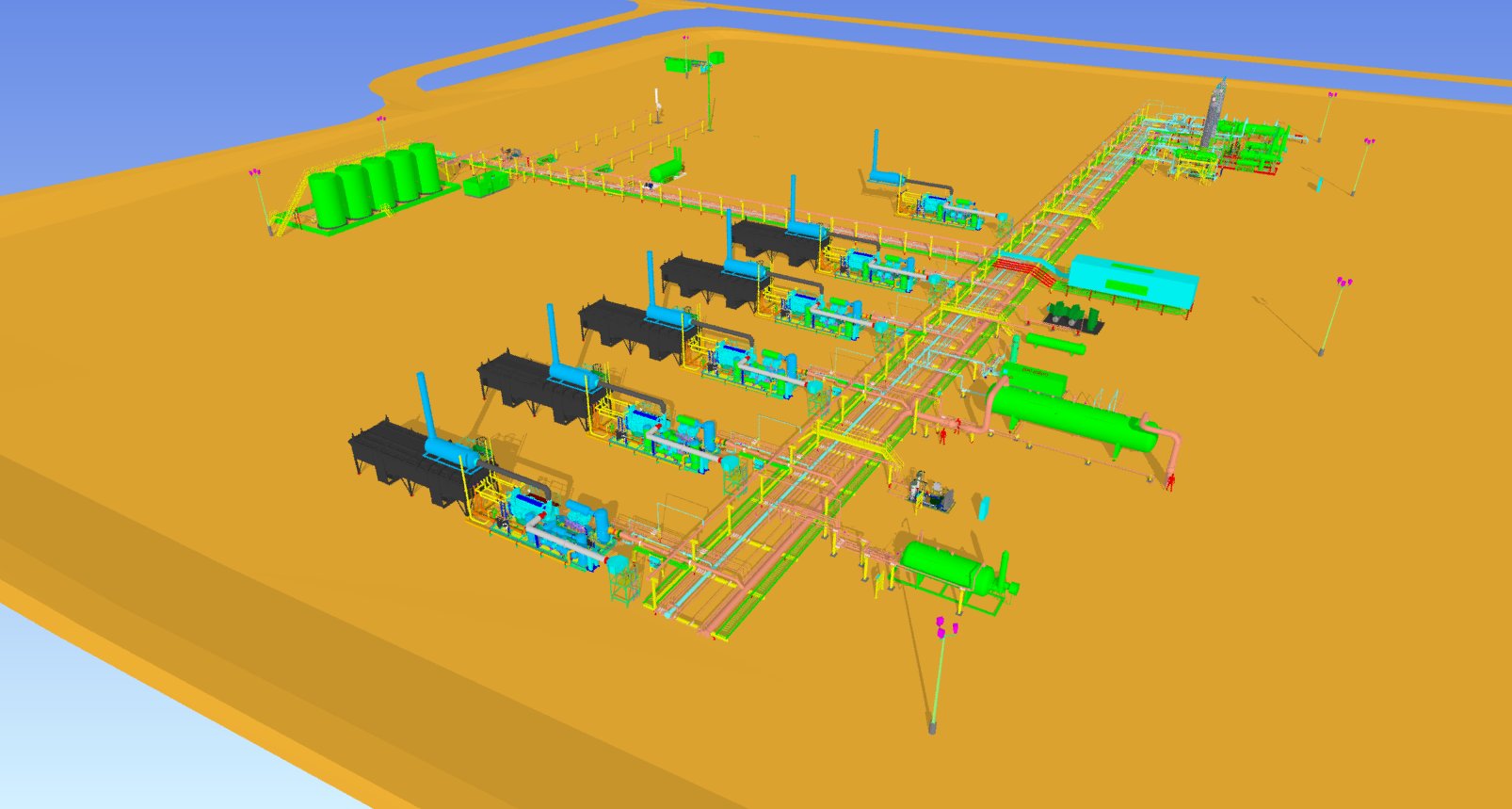
    Additional gas production in the basin required our client to build a new compressor station, doubling the client’s compression capacity in the area from 120 MMscfd to 240 MMscfd. Due to the increasing CO2 content of the gas in the basin, the new station needed to include future Amine gas treatment in addition to gas dehydration. Functionality for gas blending from other high-pressure inlet sources with the sales gas was required to meet CO2 content and sales gas specifications in the short term. The client also wanted functionality to be able to combine low-pressure and high-pressure liquid products through a single sales pipeline.

    The Solution

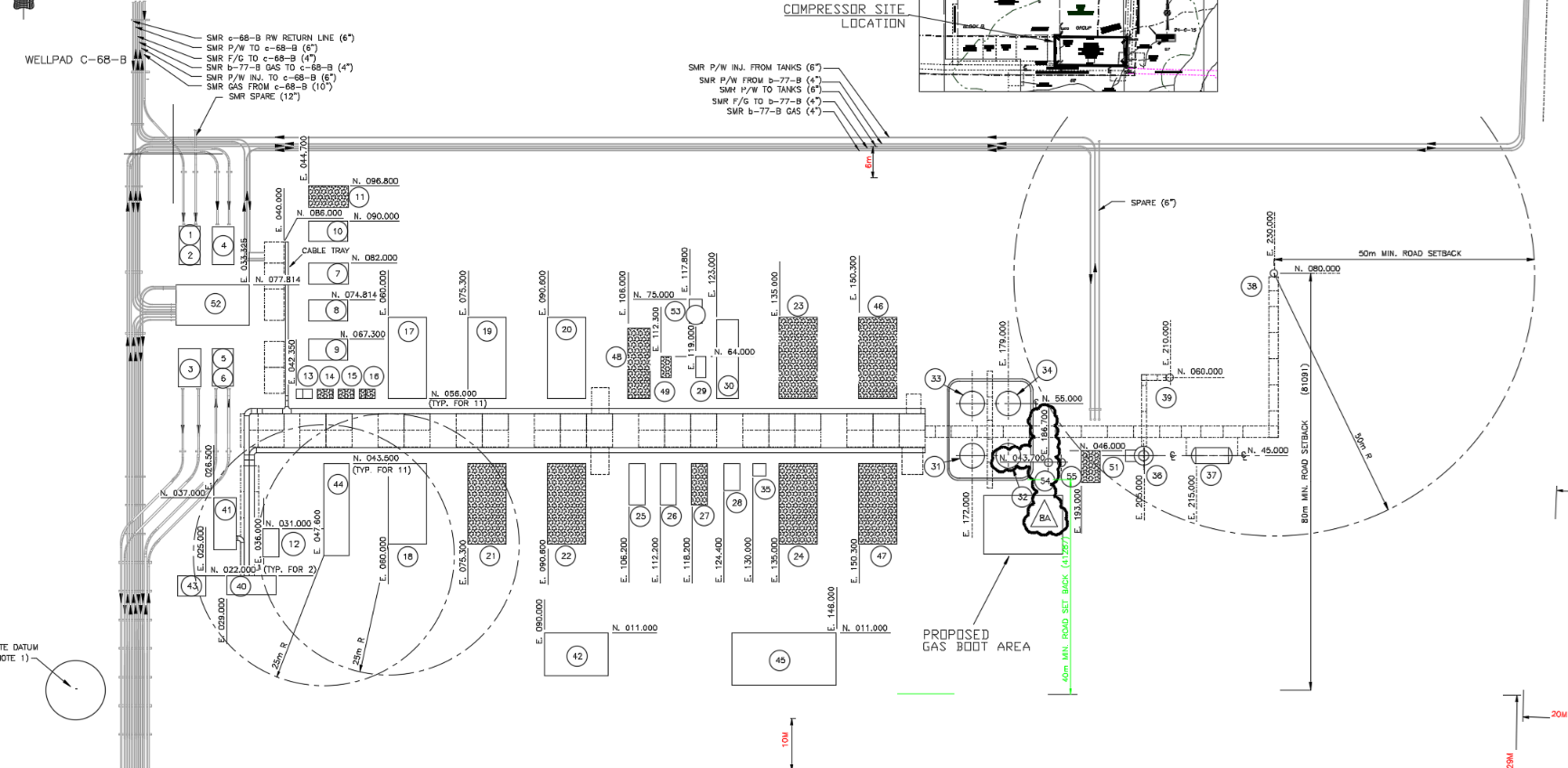
    CANUSA EPC provided full discipline engineering to develop the construction packages for the client.

    Developing a Plan to Meet Client Expectations:

    • Leveraged the client’s previous compressor station design from CANUSA EPC
    • Identified operational improvements for the new station

    Sourced New Equipment:

    • Low Pressure Inlet Slug Catcher
    • Heater Treater
    • High Pressure 3 Phase Separator
    • Pipeline Pumps
    • Motor Control Center Building

    Execute Value Engineering to Support the Project Schedule:

    • Redesigned layout for Glycol Heater Package
    • Sized VRU package for expansion
    • Specified switchgear and MCC equipment to remove from the critical path
    • Reduced the height of the slug catcher package to lower site construction costs

    The Results

    Provided Construction Package with Designs for Future Expansion

    • Future site compressor additions require no additional mechanical design
    • Design allows for additional inlets and Amine unit

    Operations Improvements

    • Consolidated low-pressure inlets to allow for a single slug catcher vessel
    • Addressed issues with high-pressure drains
    • Improved isolation, access, and piping for compressor packages
  • Greenfield 50 MMSCFD Compressor Station

    Greenfield 50 MMSCFD Compressor Station

    The Challenge

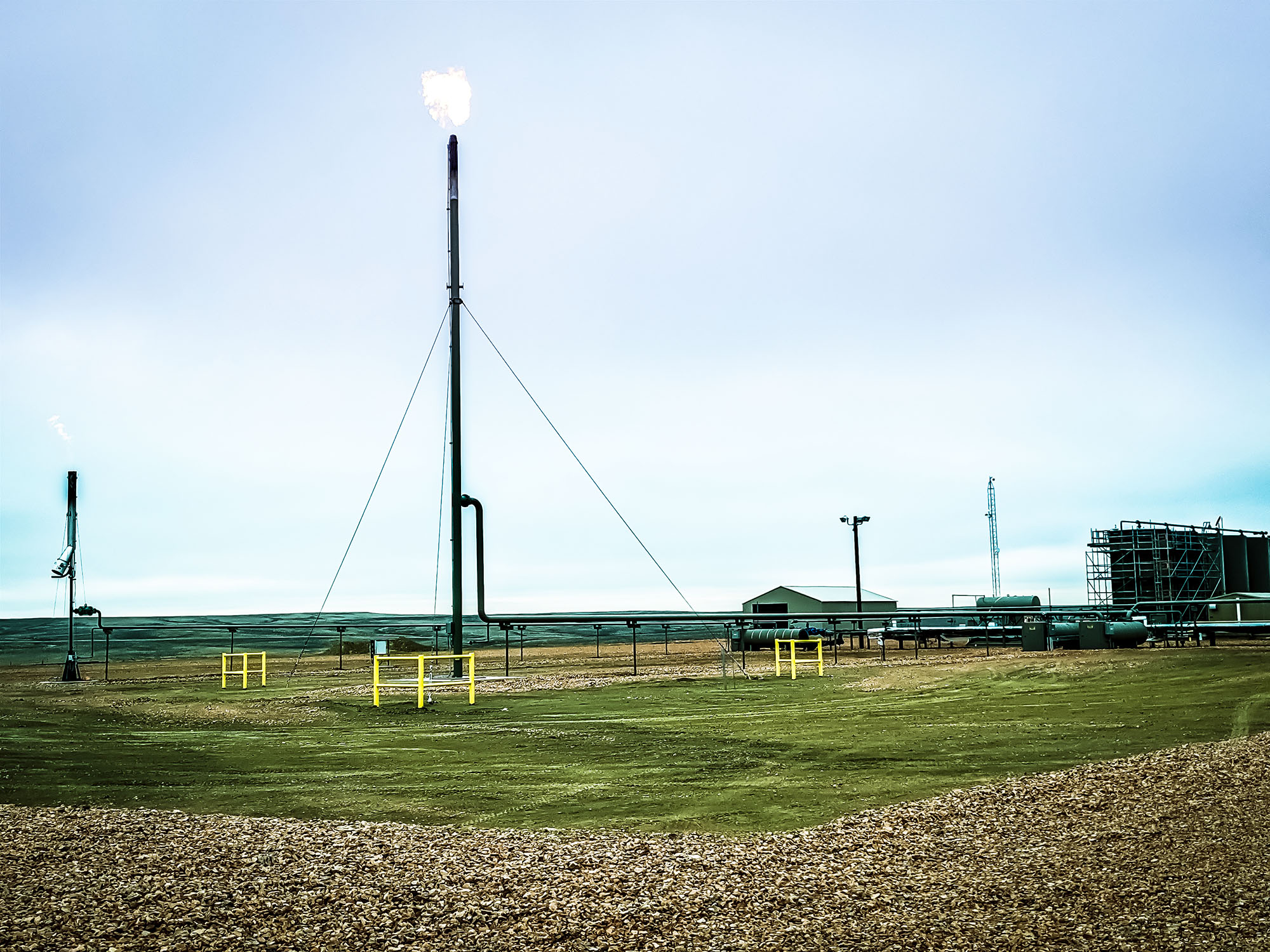
    The client had an aggressive drill program that required compression, dehydration and sweetening of gas prior to entering into the Spectra Pipeline system. This project was extremely schedule driven – from conception to gas flowing in 7 months.

    The Solution

    CANUSA EPC provided engineering and procurement services.

    • Facility design was adapted to changing well pad and inlet conditions
    • Deployed dehydration, H2S sweeting for fuel gas and adjacent water handling system
    • Facility designs to handle an inlet pressure of 150 psig and an outlet pressure of 1200 psig
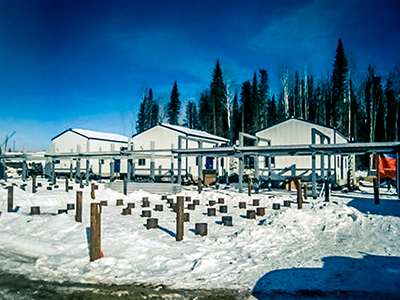
    • Artic packages utilized for speed of field deployment compared to field erected buildings

    The Results

    • The project was completed in 7 months by utilizing an existing design and a strong packager team
    • Deployed as an integrated field system to support a larger gathering system consisting of pipelines, well pads and a LACT
  • Composite Pipeline

    Composite Pipeline

    The Challenge

    Current development plans in the area required our Client to replace truck-in propane with pipeline quality fuel gas at their wellsite’s and battery facilities. To accommodate further development plans in the area, the pipeline required provisions to tie-in to future wellsite’s, batteries and pipeline segments.

    The Solution

    CANUSA EPC provided full discipline engineering to develop the construction packages for the Client.

    • Developed a plan to meet Client expectations
      • Leveraged previous pipeline design experience
      • Leveraged in-house process and design experts
    • Sourced materials
      • Pressure control valve
      • ESD valve
      • Carbon steel to HDPE transition pieces
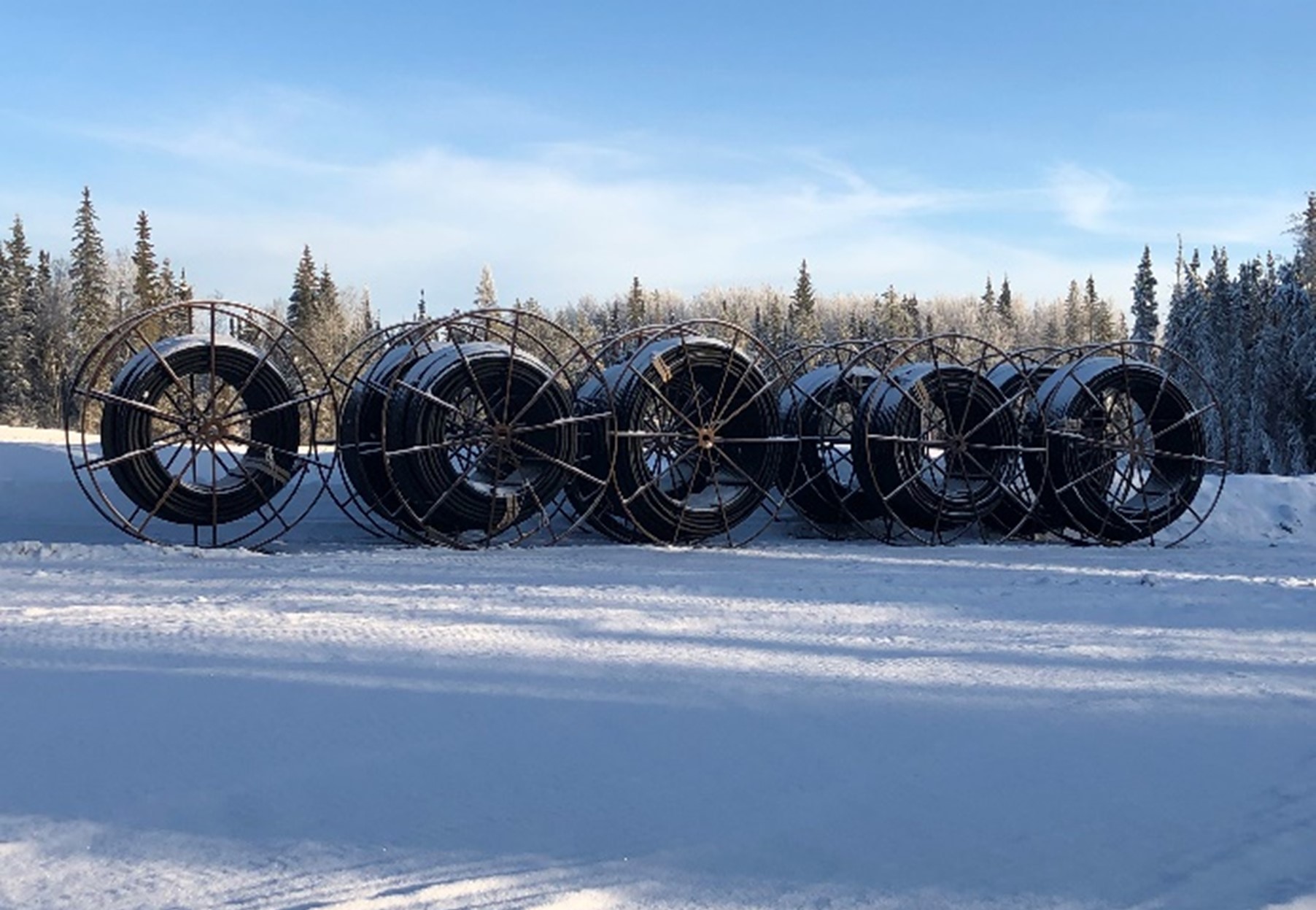
      • HDPE line pipe and fittings
    • Executed value engineering to support the project schedule
      • Designed and implemented over pressure protection and pressure control to connect pipelines with different MOP’s
      • Worked with AER to expedite the pipeline license down from 6 weeks to 1 week

    The Results

    • Provided construction with a detailed work package
      • Installed 14 km of new fuel gas pipeline tying into 9 wellsites and 1 existing pipeline
      • Installed risers and blinds for future wellsite tie-in’s
    • Construction executed with minimal environmental impact
      • Pipeline was installed by plowing, minimizing disturbance to the surrounding area
      • Water course crossings HDD bored to minimize ecological impact